

ARIA Risk, APOE4 and Alzheimer’s Treatment Explained
When I was diagnosed with Alzheimer’s and learned that APOE could affect my risk of ARIA, I realized I didn't understand the difference between a gene, an allele, and a protein. This is the story of what I learned; what ARIA is; how to understand an APOE genetic blood test, what the risks are and how the risk is monitored.

The Food-Brain Connection: What Your Brain Does with What You Eat
Your brain doesn't just need calories, it needs the right nutrients. Discover how food becomes brain fuel, supports neurotransmitters and protects brain cells, then learn how the MIND Diet puts these principles into practice.
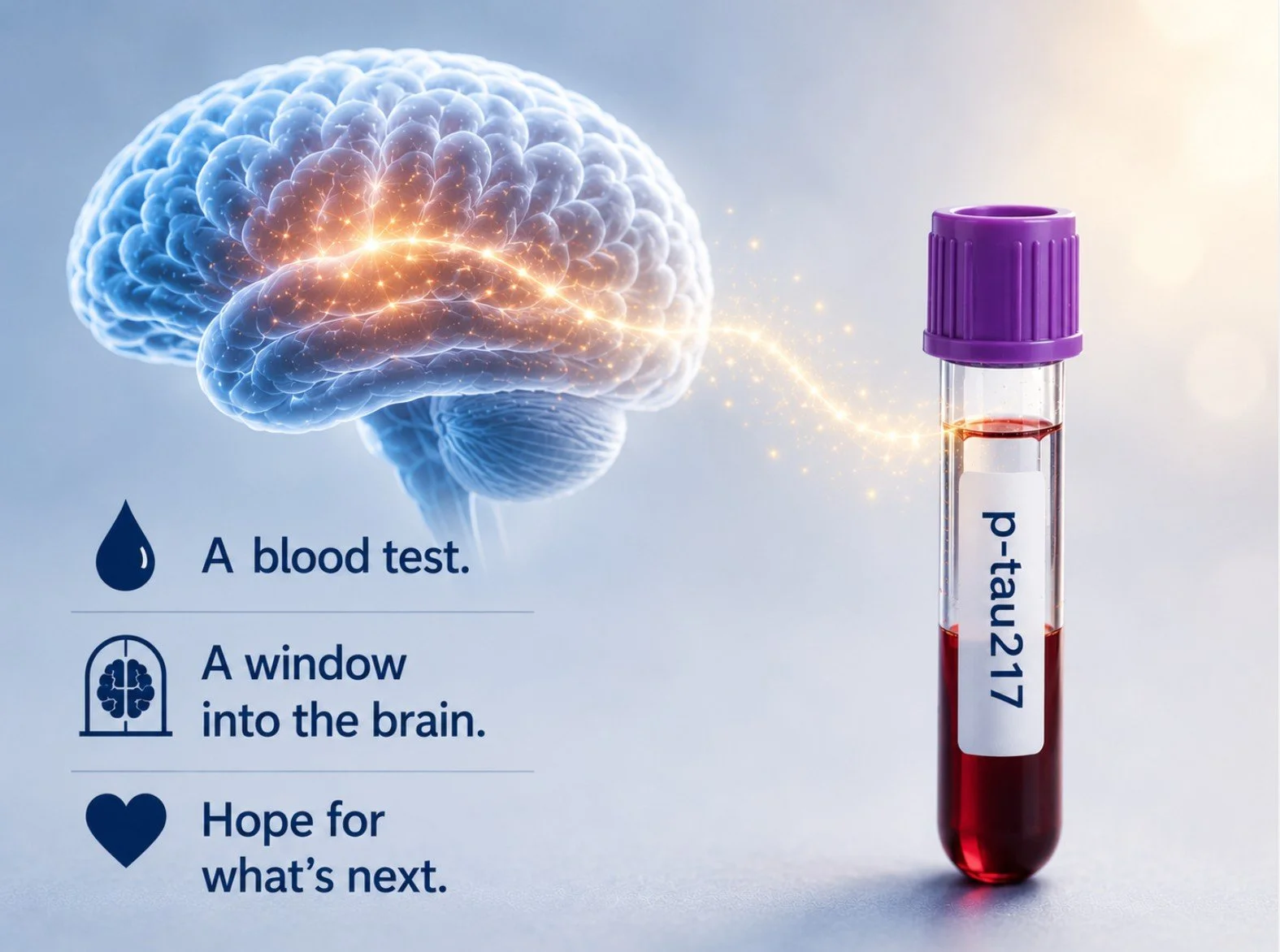
Leqembi and p-tau217: A Blood Test Offers a New Window Into Alzheimer’s
A personal look at what happened to my p-tau217 blood levels after starting Leqembi, and how new research suggests that changes in this Alzheimer’s biomarker may provide an early indication of how patients are responding to treatment.
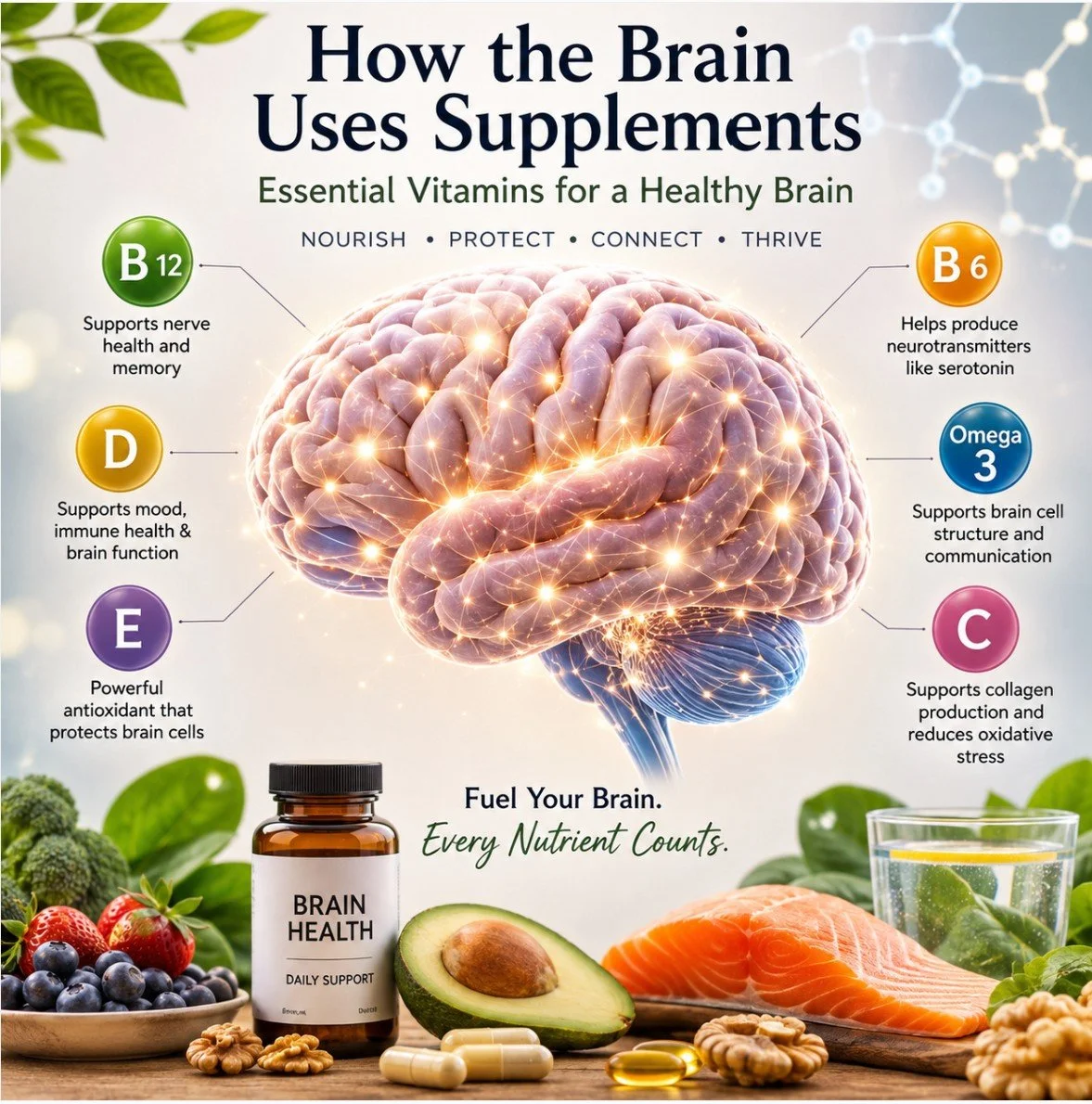
What Does Your Brain Really Need from Supplements?
Your brain depends on a steady supply of essential nutrients to produce energy, communicate between cells, and maintain healthy brain function. But how does your brain actually use the vitamins and other nutrients you give it—and do you really need supplements? Understanding the science can help you make informed choices about your diet and determine whether a supplement may be useful for filling a nutritional gap.
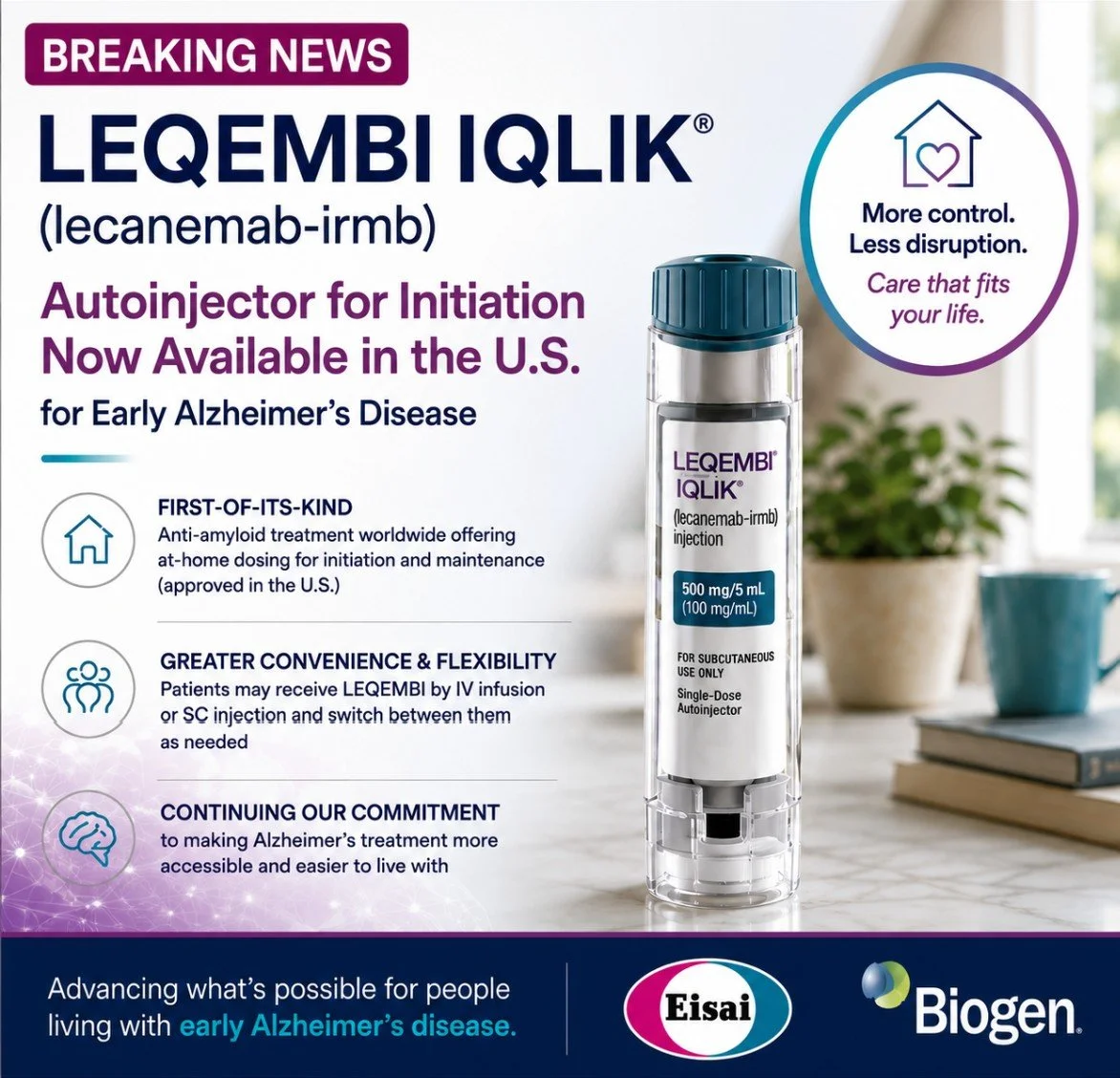
LEQEMBI IQLIK®(lecanemab-irmb) Autoinjector for Initiation of Therapy Now Available in the U.S. for Early Alzheimer's Disease
LEQEMBI IQLIK, the lecanemab autoinjector, is now available in the U.S. for initiation of treatment in people with early Alzheimer’s disease. This breakthrough adds a more convenient at-home option to the growing range of Alzheimer’s treatment choices and represents another important step forward in the fight against this devastating disease.
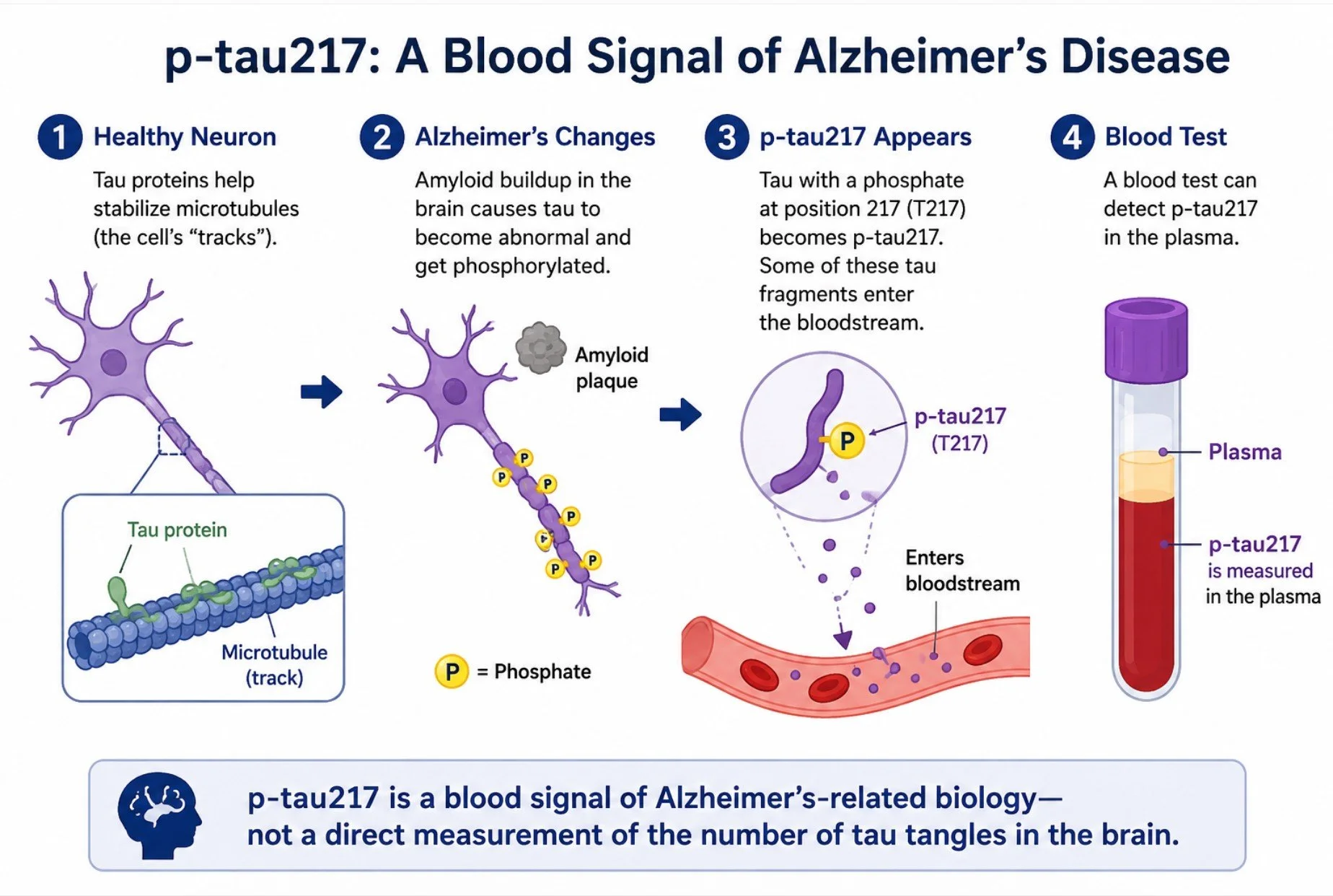
p-tau217 Blood Test: What Your Result Means
What does your p-tau217 blood test actually mean? Learn what p-tau217 measures, how it relates to beta-amyloid, why laboratory cutoffs differ, and why the number is not a measure of Alzheimer’s severity.
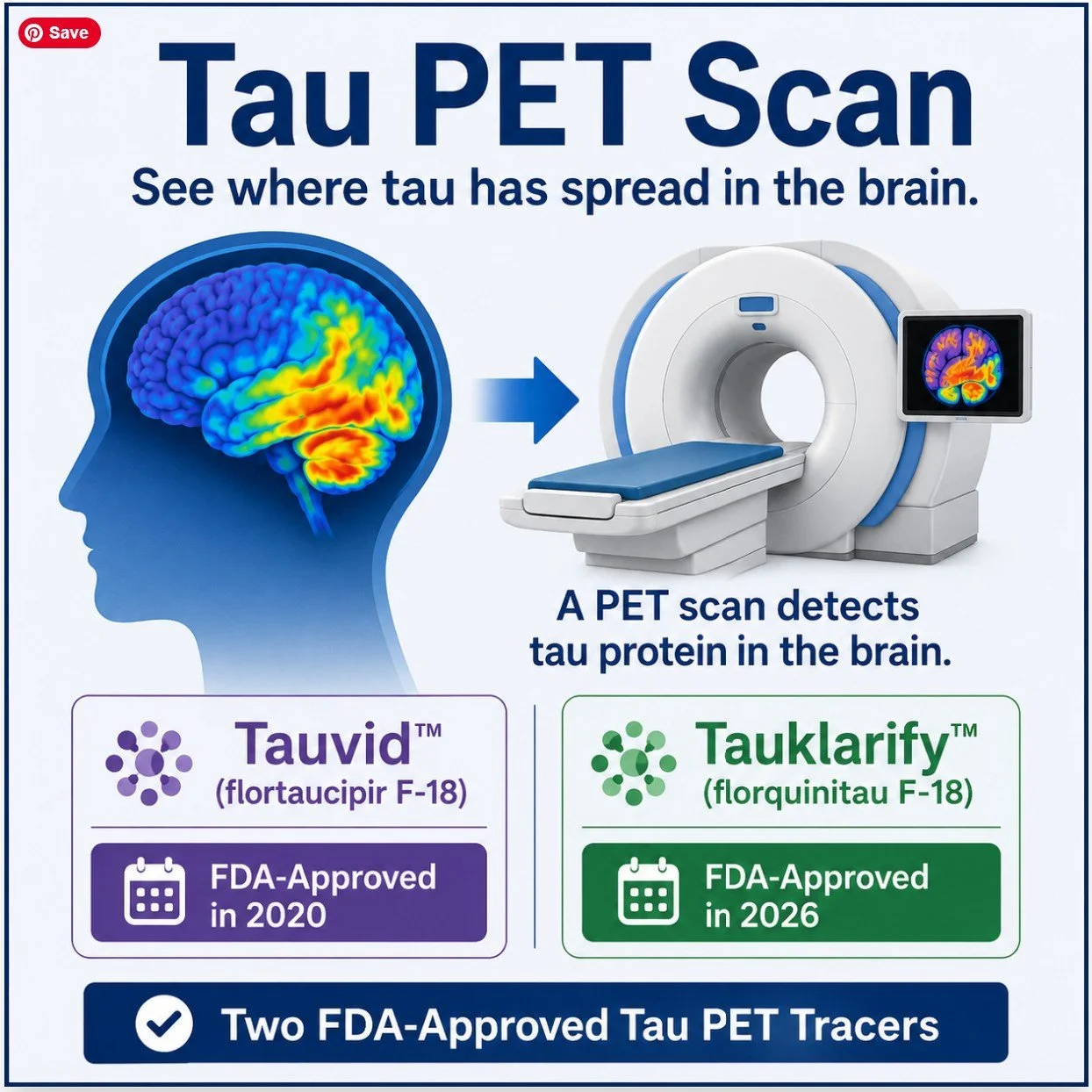
Tau PET Scans in Alzheimer’s
Tau PET is becoming an important new window into Alzheimer’s disease. With the August 2026 FDA approval of Tauklarify, clinicians now have two FDA-approved tau PET tracers—Tauvid and Tauklarify. Unlike amyloid testing, which helps identify whether Alzheimer’s biology is present, tau PET can show where aggregated tau has accumulated and how extensively it has spread. This high-level guide explains what tau PET adds, how the two tracers differ, and why tau imaging may become increasingly important for understanding disease stage and progression.
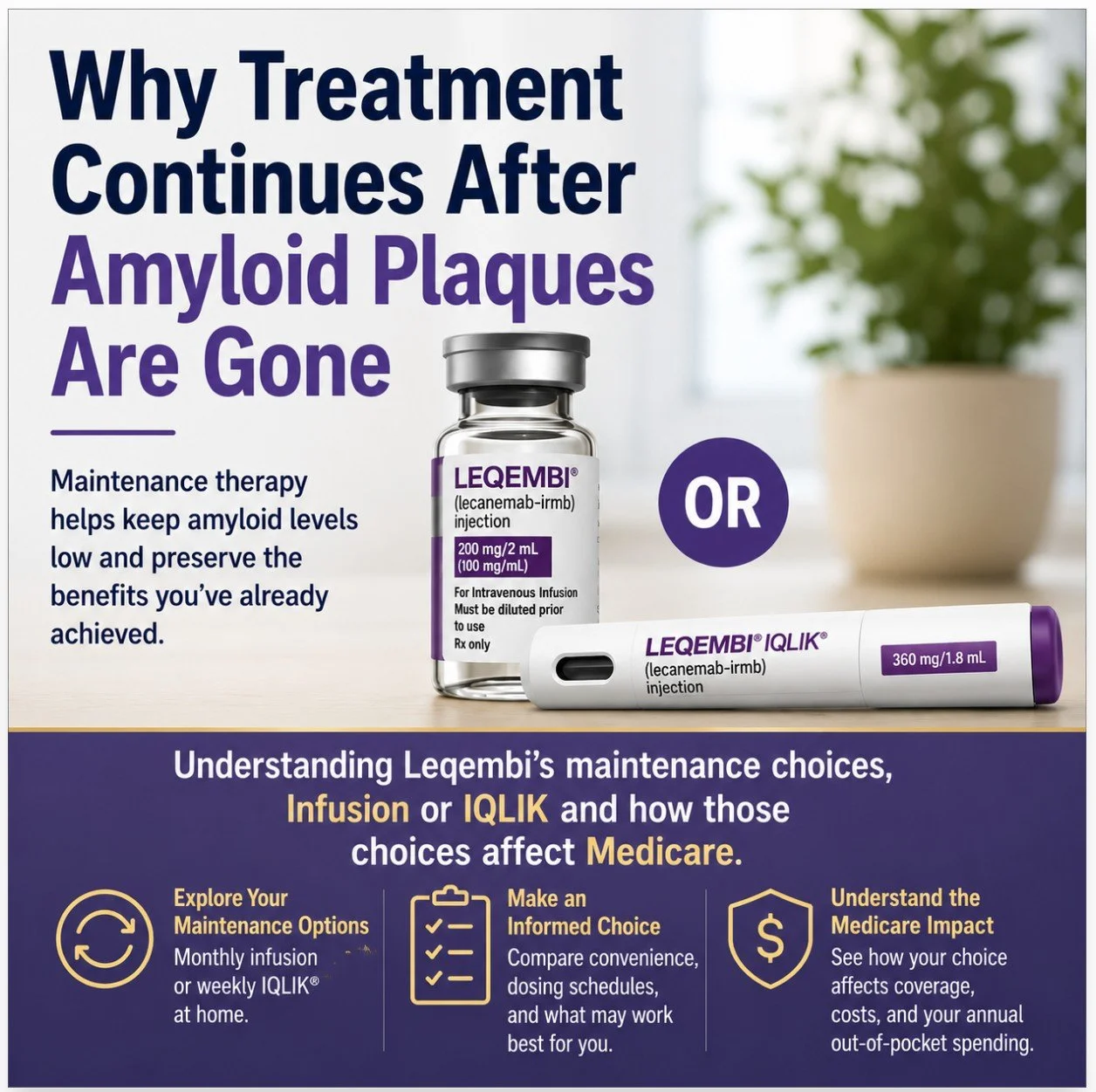
Everything You Need to Know About Leqembi Maintenance and Medicare
After Leqembi removes amyloid plaques from the brain, treatment isn't over. The brain continues to produce beta-amyloid every day, and in Alzheimer's disease a small amount escapes the brain's natural clearance systems. Without continued treatment, these molecules can gradually accumulate again, forming toxic oligomers, protofibrils, and eventually new plaques. This article explains why maintenance therapy is essential after the initial 18 months of Leqembi, compares monthly IV infusions with the FDA-approved IQLIK® self-injection, and provides a practical guide to Medicare Part B and Part D coverage, specialty pharmacies, formularies, prior authorization, and out-of-pocket costs so you can make informed decisions about your long-term treatment options.

How Leqembi and Kisunla Fight Alzheimer's in Different Ways
A diagnosis of Alzheimer's no longer means there are no treatment options. Two FDA-approved drugs, Leqembi and Kisunla, can slow the disease for people diagnosed early, but they work differently. Understanding how beta-amyloid changes from harmless protein fragments into toxic oligomers, protofibrils, plaques, and eventually tau tangles can help patients and families make more informed treatment decisions.
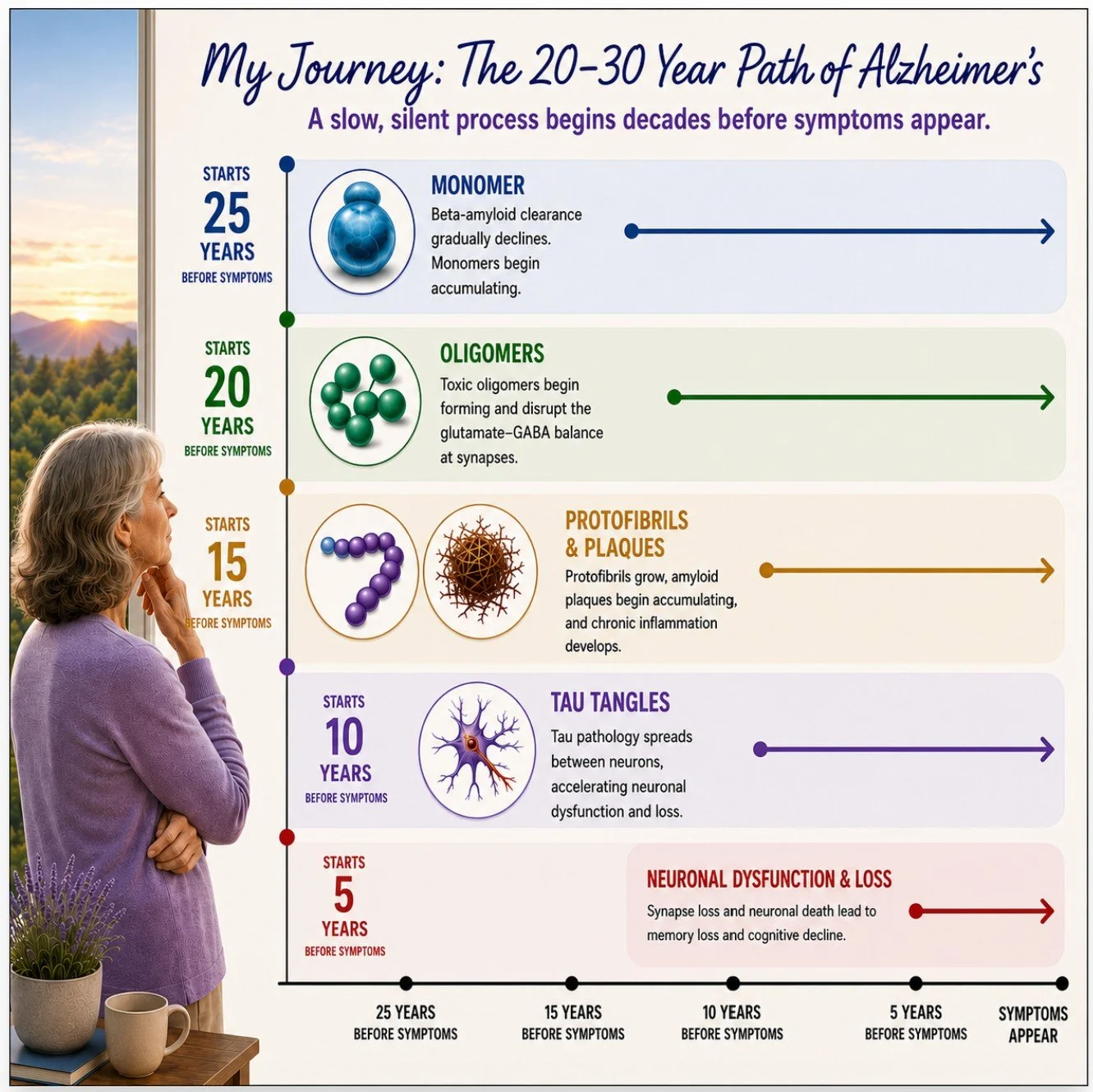
Learn How Alzheimer’s Creeped Into My Brain
Alzheimer's doesn't begin with memory loss. It begins silently 20 to 30 years earlier as changes in beta-amyloid, toxic oligomers, inflammation, and tau gradually damage the brain. This article explains the modern science behind Alzheimer's in clear, understandable language and shows how new blood tests, biomarkers, and treatments like Leqembi are transforming diagnosis, and offering hope for the future.

Why Your Mind Goes to the Worst Case After an Alzheimer's Diagnosis
An Alzheimer's diagnosis can trigger overwhelming fear and endless worst-case scenarios. I know because I lived through it. Looking back, I wish I had spent less time worrying and more time planning for the future. In this article, I share how my perspective changed, why catastrophic thinking is so common, and a helpful video by psychiatrist Dr. Tracey Marks that explains how to interrupt negative thought patterns. If you're newly diagnosed, this message offers hope and practical encouragement.

Medicare Advantage Isn't Always an Advantage for Alzheimer's
Choosing the right Medicare coverage can have a major impact on Alzheimer's treatment. While Medicare Advantage plans often offer lower premiums and extra benefits, they may also require prior authorizations, network restrictions, and additional approvals that can delay time-sensitive therapies such as Leqembi and Kisunla. Learn why many Alzheimer's specialists recommend Original Medicare with a Medigap supplement for patients who need access to advanced neurological care.
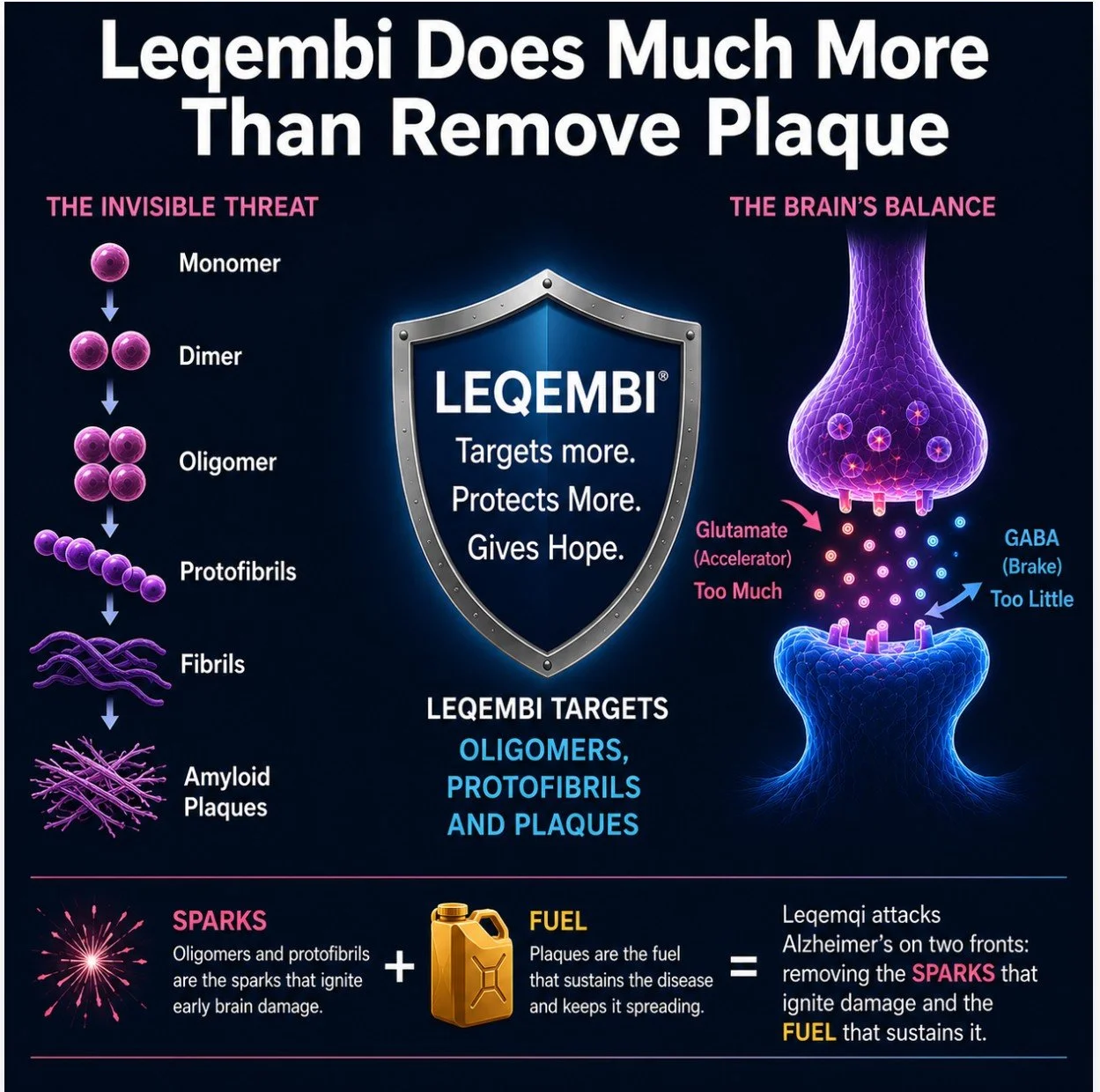
Leqembi Does Much More Than Remove Plaque
Most people think Leqembi simply removes amyloid plaque. The science tells a much bigger story. Researchers now believe tiny beta-amyloid oligomers begin damaging synapses and disrupting the brain's glutamate-GABA balance years before plaques appear. Understanding how Leqembi targets these toxic proteins changed the way I think about Alzheimer's disease, and why early treatment matters.

Why People with Alzheimer's Forget the Right Word (and How to Find It Again)
Do you have to pause or just describe a word you can't quickly recall? For people living with Alzheimer's disease, word-finding problems are among the earliest and most frustrating symptoms. The encouraging news is that the word is often not gone. The brain may simply have difficulty finding the pathway to retrieve it. In this article, I explain the neuroscience behind word retrieval, why Alzheimer's disrupts these language networks, and how practical strategies based on neuroplasticity can help strengthen communication and restore confidence.
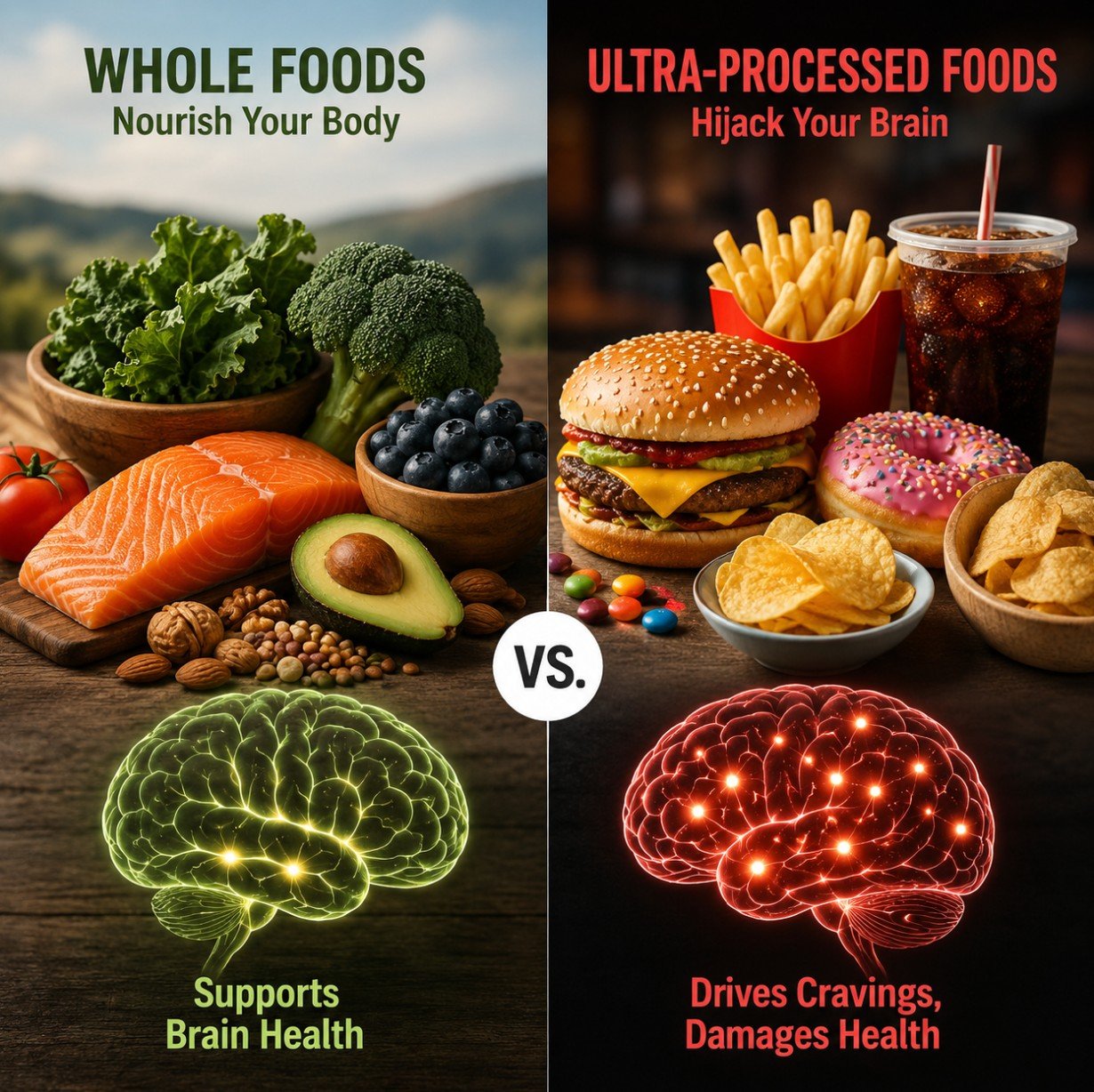
How Ultra-Processed Foods Changed the Way Humans Eat and Think
Why is it so difficult to give up the foods we know are unhealthy? The answer may have less to do with willpower than with the way our food supply has changed over the past century. In this article, discover how ultra-processed foods evolved from a convenience into products designed to appeal to our biology, why our brains crave them, and how understanding this hidden transformation can help us make healthier choices for both our bodies and our brains.

Hearing Loss and Alzheimer’s: What Every Senior Need to Know
Many people think hearing loss only affects their ears, but the greatest damage may occur in the brain. Discover how untreated hearing loss increases cognitive load, drains cognitive reserve, raises dementia risk, and why properly fitted hearing aids can help your brain stay healthier, sharper, and more resilient.

Why Alzheimer's Affects Short-Term Memory: 7 Strategies That Really Help
Have you ever walked into a room and forgotten why you were there, or wondered if you already took your medication? For people living with Alzheimer's disease, these frustrating moments are caused by changes in short-term, working, and prospective memory. In this article, I explain why these memory failures occur, what is happening inside the brain, and the seven practical strategies I use every day to stay organized, more independent, and in control of my life.

The Hidden Memory System That Can Help Fight Alzheimer's
Once we’ve started Leqembi or Kisunla we are anxious to see improvement in our AD symptoms and many of us do see improvement. That improvement is not because memory has been restored, it is because with mild cognitive impairment our brains can still relearn and to some extent starts doing that when we shift our thoughts to fixing what we have lost. We can and should begin and continue to repair ADs damage to prolong our independence as long as possible. I’ve written an article that I think may help you understand the power than only you have to repair what has been lost.
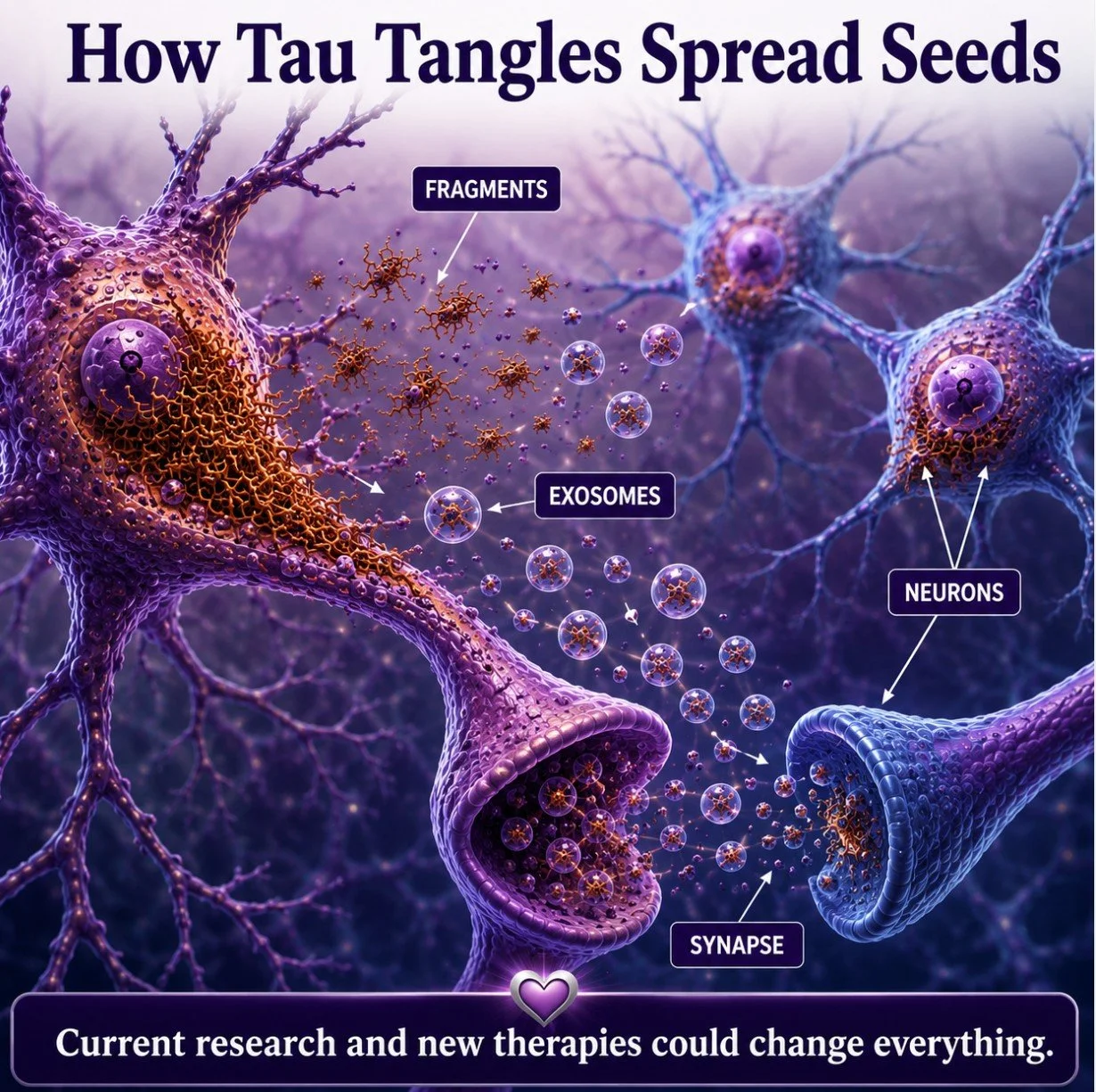
Alzheimer’s Tau Tangle Challenges
For decades, beta-amyloid plaques have dominated Alzheimer's research, but scientists now believe tau tangles are the primary driver of neuron damage and memory loss. This article explains, in easy-to-understand language, how healthy tau proteins support brain cells, what causes them to become tangled, how they spread from neuron to neuron, and why they remain one of Alzheimer's greatest treatment challenges. Drawing from both the latest scientific discoveries and my personal experience after successfully clearing amyloid plaque with Leqembi, this article also explores the promising new therapies that may one day stop tau tangles and change the future of Alzheimer's disease.
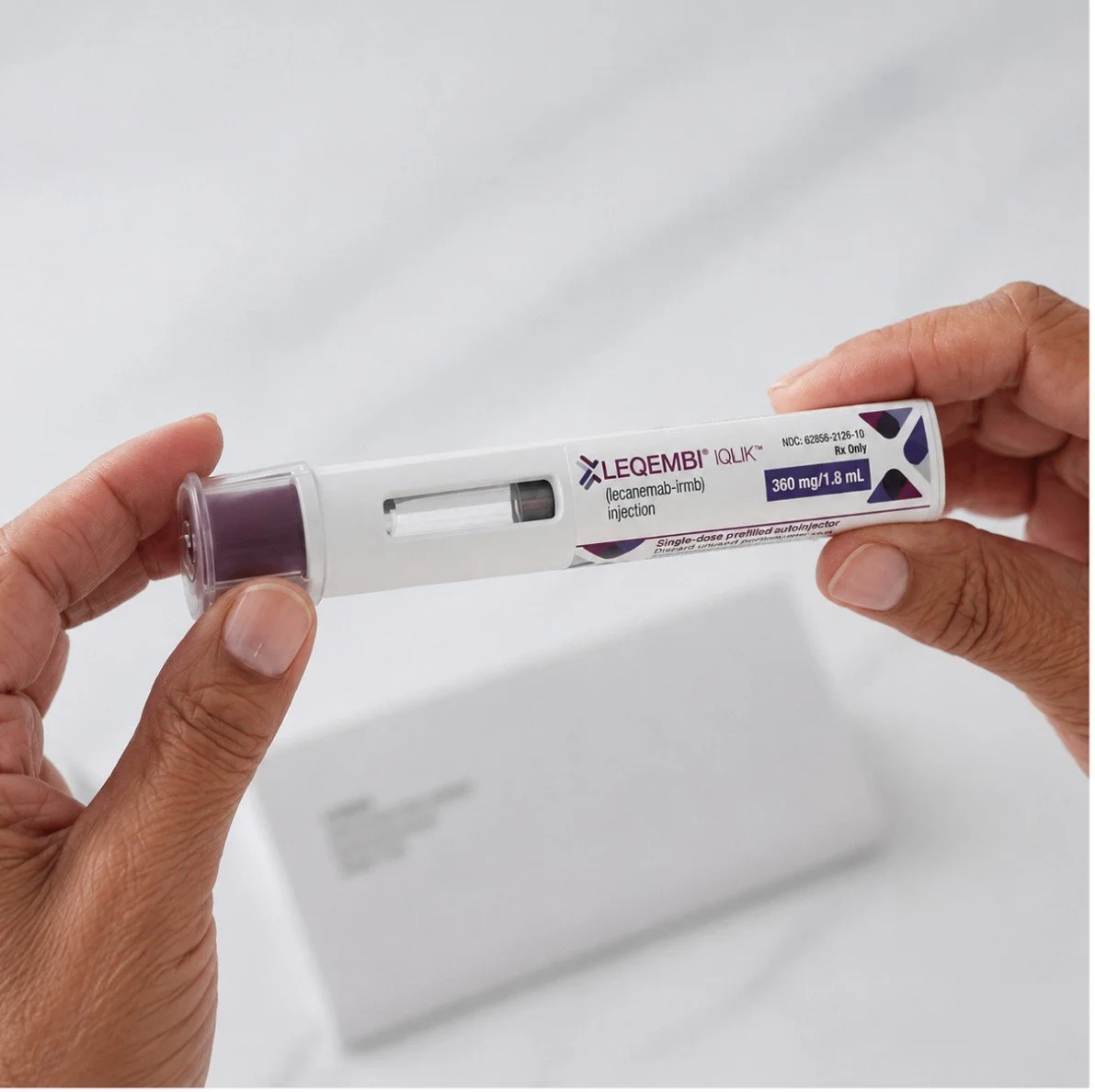
Leqembi IQLIK and Medicare: Everything You Need to Know Before You Switch
Should you stay on Leqembi infusions or switch to the new at-home IQLIK injection? That decision involves much more than convenience. Medicare covers the two treatments differently, and understanding Part B, Part D, specialty pharmacies, formularies, prior authorization, and the new annual out-of-pocket cap can save you both time and money. This practical guide explains the process step by step so people living with early Alzheimer's disease and their caregivers can make informed decisions before their first IQLIK prescription.