
The Food-Brain Connection: What Your Brain Does with What You Eat
How a Brain-Healthy Diet Can Help People Living with Alzheimer’s
If you are living with Alzheimer’s, or worried about your future brain health, you may already be asking what you can do to support the brain you have today. One place to start is with the food you eat. Your brain needs specific nutrients to maintain its structure, communicate between brain cells, produce neurotransmitters, generate energy, and protect itself from damage. Understanding how your brain takes the nutrients from food and puts them to work can change the way you look at every meal. In this article, we’ll explore what nutrients your brain needs, what can happen when highly processed foods replace nutrient-rich foods, and how the MIND Diet brings these ideas together in a practical approach to eating for brain health. The more you understand about the connection between food and your brain, the more informed your everyday food choices can become.
Brain Food: How What You Eat Feeds Your Brain
Your brain may weigh only about 2% of your body, but it is one of the most demanding organs in the body. It uses roughly 20% of your body’s energy. And the brain needs much more than calories. It depends on a steady supply of specific nutrients to maintain its structure, produce chemical messengers, communicate between cells, and protect itself from damage.
That means every meal presents your brain with a choice: What materials will you give it to work with?
Food is broken down into its basic components: amino acids, fatty acids, vitamins, minerals, carbohydrates and other nutrients. Those components become the raw materials the brain uses to build and maintain itself. Some nutrients become part of brain-cell membranes. Others help produce neurotransmitters, the chemical messengers that influence mood, attention, sleep, stress and learning. Still others help brain cells produce energy or protect them from damage.
Your brain uses what you eat
Consider omega-3 fatty acids. About 60% of the brain is fat, and DHA, one of the major omega-3 fatty acids, is an important building block of brain-cell membranes. DHA helps support communication between brain cells, while EPA plays a role in reducing inflammation and supporting metabolic processes. Fatty fish such as salmon, sardines and mackerel are rich sources, while chia seeds, flaxseed and walnuts provide plant-based sources.
Then there are the B vitamins, including B6, B12 and folate. They help with energy production and the production of neurotransmitters. Antioxidants, including vitamins C and E, help protect brain cells from oxidative stress—the cellular wear and tear associated with aging and damage. Magnesium helps regulate brain plasticity, while zinc contributes to neurotransmitter regulation and iron helps transport oxygen to the brain.
The relationship becomes even more interesting when we look at the brain's chemical messengers.
The brain cannot simply manufacture neurotransmitters from nothing. It needs raw materials from the diet. Serotonin, involved in mood, sleep and appetite, is made from the amino acid tryptophan and requires nutrients including vitamin B6, iron and magnesium. Dopamine, associated with motivation, focus and pleasure, is made from tyrosine and requires additional nutritional cofactors. GABA, which helps promote calm and relaxation, is made from glutamate and requires vitamin B6. Acetylcholine, important for memory, learning and attention, is built from choline, found in foods such as eggs and soybeans.
In other words, food doesn't just fill your stomach. It supplies some of the building blocks your brain uses to do its job.
Whole foods give the brain a complete package
This is one reason the quality of the food matters.
Whole foods often provide a combination of nutrients that work together. An egg, for example, supplies choline for acetylcholine production along with B vitamins, iron and healthy fats. Nuts and seeds provide combinations of protein, healthy fats, magnesium and other nutrients. Vegetables and whole grains provide vitamins, minerals and fiber.
Fiber adds another important dimension because it feeds the gut microbiome, the trillions of microorganisms living in the digestive tract. The gut and brain are closely connected, and the source material emphasizes the role of the gut in producing and regulating substances involved in brain function. A diverse diet rich in plant foods helps support that connection.
Your brain needs a steady supply of energy
Food also determines how steadily your brain receives its fuel.
The brain's primary fuel source is glucose, which comes largely from carbohydrates. But carbohydrates are not all processed the same way. Refined carbohydrates and added sugars can produce rapid rises and falls in blood glucose. Those fluctuations may leave you feeling tired, irritable, anxious or mentally foggy.
Complex carbohydrates found in whole grains, legumes and vegetables provide a more sustained release of glucose. That gives the brain a steadier energy supply and can help support consistent attention and concentration.
And glucose isn't the whole story. Brain cells must convert nutrients into usable energy through their mitochondria. Nutrients such as vitamins and magnesium help support that energy-producing process. When brain cells cannot efficiently produce energy, fatigue and difficulty concentrating can result.
What happens when food becomes highly processed?
Now consider the opposite pattern.
Highly processed foods are often stripped of the fiber and micronutrients naturally found in whole foods while being formulated to contain refined carbohydrates, added sugars, unhealthy fats, salt and other ingredients. This can work against the nutritional environment the brain needs.
A diet dominated by processed foods can mean less fiber for the gut microbiome, fewer essential nutrients for brain chemistry, and less stable energy from food. Refined carbohydrates and sugars can produce the rapid glucose swings that contribute to energy fluctuations and feelings such as brain fog and difficulty concentrating.
This doesn't mean that one cookie, hamburger or bag of chips suddenly damages your brain. The bigger issue is the pattern of eating over time. When highly processed foods regularly replace nutrient-dense whole foods, the brain may receive less of the nutritional support it needs.
Feed your brain with intention
The goal isn't perfection. It is to make consistent choices that give the brain the raw materials it needs.
Build meals around vegetables, fruits, whole grains, beans and legumes, nuts and seeds, lean proteins and healthy fats. Include sources of omega-3 fatty acids, particularly fatty fish if you eat fish. Keep nutritious snacks available so that the easiest choice is also a brain-friendly choice.
Think of every meal as more than food on a plate. It is information and raw material for one of the most complex organs in your body.
The brain takes what you eat, breaks it down, transforms it and puts those nutrients to work, building cell membranes, making chemical messengers, producing energy and helping protect its cells.
Feed it well, and you give your brain the ingredients it needs to keep working for you.
From Brain Food to the MIND Diet
Now that you understand what your brain needs from the food you eat, the next question is: How do you put that knowledge into practice every day? You don't have to memorize every nutrient or figure out the perfect combination of foods at every meal. The MIND Diet provides a simple framework to guide your choices. It brings together many of the brain-supporting foods we have just explored, vegetables, berries, whole grains, beans, nuts, fish, healthy fats and lean proteins, while encouraging you to limit foods that provide fewer beneficial nutrients and more saturated fat, added sugars and other less desirable components. Think of the MIND Diet as a roadmap for putting brain nutrition into action. As you move through the foods it recommends, you'll see how the nutrients your brain needs translate into practical choices you can make at the grocery store, in your kitchen and when eating out.
The MIND Diet: Feed Your Brain, Protect Your Future
We all know the basics about which foods promote health. There is one diet I strongly recommend: “MIND” stands for “Mediterranean-DASH Intervention for Neurodegenerative Delay.” The MIND diet aims to reduce dementia and the decline in brain health that often occurs as people get older. The MIND diet’s biological basis involves several key components:
1. Rich in Antioxidants: The MIND diet emphasizes foods that are rich in antioxidants, such as berries (especially blueberries), which help protect brain cells from oxidative stress[i] and inflammation.
2. Omega-3 Fatty Acids: The diet includes sources of omega-3 fatty acids, such as fish (particularly fatty fish like salmon and sardines), which are crucial for brain health. Omega-3 fatty acids support brain structure and function, promoting neuronal communication and reducing inflammation.
3. Healthy Fats: It encourages the consumption of healthy fats from sources like olive oil and nuts. These fats are important for maintaining the integrity of cell membranes in the brain.
4. Whole Grains and Vegetables: The MIND diet promotes the consumption of whole grains and a variety of vegetables, particularly leafy greens and other vegetables rich in vitamins and minerals. These foods provide essential nutrients.
Overall, the MIND diet provides a balanced approach to nutrition that supports brain health through its emphasis on antioxidant-rich foods, omega-3 fatty acids, healthy fats, and nutrient-dense whole foods while minimizing potentially harmful dietary components.
Proteins
Let's discuss the importance of proteins, as the brain relies heavily on them for the majority of its structure.
Here are some key proteins that are encouraged in the MIND diet:
1. Fish: Certain fish are rich sources of omega-3 fatty acids, specifically those containing EPA (eicosapentaenoic acid) and DHA (docosahexaenoic acid), which are important for brain health and function. Fatty fish such as salmon, trout, tuna, herring, sardines, anchovies, and mackerel are great examples of healthy proteins.
2. Poultry: Lean poultry such as chicken and turkey provide high-quality protein without the saturated fats found in red meat.
3. Beans and Legumes: Beans (such as black beans, chickpeas, kidney beans, butter beans, navy beans and lentils) and legumes (such as peas, soybeans, edamame, and peanuts) are excellent sources of plant-based protein, fiber, and various vitamins and minerals that support overall health.
4. Nuts and Seeds: Almonds, walnuts, chia seeds, flaxseeds, and hemp seeds provide protein, healthy fats (including omega-3 fatty acids in some cases), and important nutrients like vitamin E and magnesium.
5. Eggs: Eggs are a good source of high-quality protein and contain important nutrients such as choline, which is beneficial for brain health.
6. Low-fat Dairy: Options like skim or low-fat milk, yogurt, and cheese provide protein, calcium, and other essential nutrients. These dairy products are preferred over full-fat versions to reduce saturated fat intake.
7. Lean Red Meat (in moderation): The MIND diet suggests limited consumption of red meat, but when consumed, lean cuts such as sirloin or lean ground beef are recommended. Red meat provides protein, iron, and other vitamins and minerals.
Proteins to Avoid
Foods containing protein that should be avoided are:
1. Processed Meats: These include sausages, bacon, hot dogs, and deli meats. They are often high in saturated fats, sodium, and preservatives, which are associated with increased risk of cardiovascular disease and potentially detrimental effects on cognitive function.
2. Full-Fat Dairy Products: While low-fat dairy products like skim milk, low-fat yogurt, and reduced-fat cheese are encouraged on the MIND diet, full-fat dairy products (such as whole milk, full-fat yogurt, and regular cheese) are higher in saturated fats.
3. Fried Foods: Fried foods, such as fried chicken, fried fish, and fried snacks (like potato chips), are typically high in unhealthy fats and can contribute to inflammation and oxidative stress, which are detrimental to brain health.
4. Highly Processed Foods: Protein sources found in highly processed foods like fast food burgers, chicken nuggets, and frozen dinners are often accompanied by unhealthy additives, excessive salt, and unhealthy fats. These foods lack the beneficial nutrients found in whole, minimally processed foods.
5. Excessive Red Meat: While lean cuts of red meat (like sirloin or lean ground beef) are included in moderation on the MIND diet, excessive consumption of red meat, especially processed red meats like bacon and sausage, is associated with increased risk of chronic diseases like cardiovascular disease and some cancers. High intake of red meat may also contribute to inflammation, which can affect brain health negatively.
The rationale behind excluding or limiting these protein sources on the MIND diet is to prioritize foods that provide beneficial nutrients for brain health (such as omega-3 fatty acids, antioxidants, vitamins, and minerals) while reducing intake of substances (like saturated fats, excessive sodium, and additives) that may contribute to cognitive decline and other health issues over time.
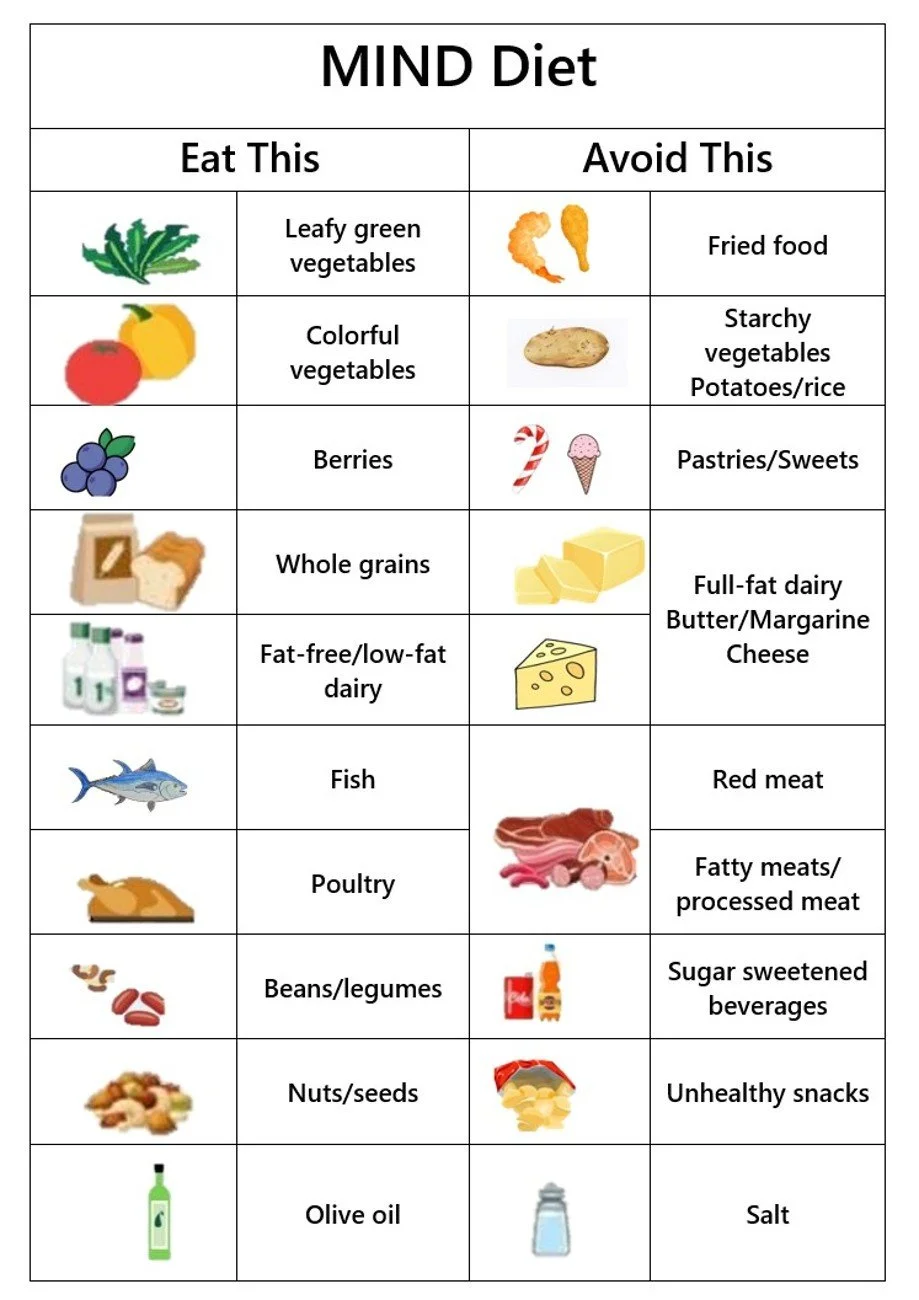
The MIND diet doesn’t come with recipes or meal plans. However, recipes and meal plans for the MIND diet can be found on the internet. Or, we can simply eat more of the 10 foods that the diet encourages and eat less of the five foods that it recommends we limit. My best suggestion is don’t buy anything that is on the “don’t eat list”, but if you do, don’t bring it home. If it’s not in your house, you can’t eat it.
There is a lot of repetition in the information below. The MIND diet combines the Mediterranean and DASH diet, but they are presented separately in case you are interested in knowing about a specific diet. Below is the latest information on the MIND; Mediterranean; and DASH diets:
10 Foods to Eat on the MIND Diet
Here are the 10 foods the MIND diet encourages:
Green, Leafy Vegetables: Aim for six or more servings per week. This includes kale, spinach, cooked greens, and salads.
All Other Vegetables: Try to eat another vegetable in addition to the green leafy vegetables at least once per day. It’s best to choose non-starchy vegetables rather than potatoes or rice which are high in calories.
Berries: Eat berries at least twice per week. Berries such as strawberries, blueberries, raspberries, and blackberries all have antioxidant benefits
Nuts: Try to get five or more servings of nuts (without salt) each week. The creators of the MIND diet don’t specify what kind of nuts to consume, but it is probably best to vary the type of nuts you eat to obtain a variety of nutrients.
Olive Oil: Use olive oil as your main cooking oil.
Whole Grains: Aim for at least three servings daily. Choose whole grains like oatmeal, quinoa, brown rice, whole wheat pasta, and 100% whole wheat bread.
Fish: Eat fish at least once per week. It is best to choose fatty fish such as salmon, sardines, trout, tuna, and mackerel for their high amounts of omega-3 fatty acids.
Beans: Include beans in at least four meals per week. This category includes all beans, lentils, and soybeans.
Poultry: Try to eat chicken or turkey at least twice per week. Note that fried chicken is not encouraged on the MIND diet.
Five Foods to Avoid on the MIND Diet
The MIND diet recommends limiting the following five foods:
Butter and Margarine: Try to eat less than 1 tablespoon (about 14 grams) daily. Instead, try using olive oil as your primary cooking fat and dipping your bread in olive oil with herbs.
Cheese: The MIND diet recommends eating cheese less than once per week.
Red Meat: Aim for no more than three servings per week. This category includes all beef, pork, lamb, and products made from these meats.
Fried Food: The MIND diet highly discourages fried food, especially the kind from fast-food restaurants. Limit your consumption to less than once per week.
Pastries and Sweets: This includes most of the processed snack foods and desserts you may think of, ice cream, cookies, brownies, snack cakes, doughnuts, candy, and more. Try to limit these to no more than four times per week.
Researchers encourage limiting your consumption of these foods because they contain saturated fats.
Healthy Snacks
If you start feeling hungry between meals, there are plenty of healthy snack options, such as:
· a handful of nuts
· a piece of fruit
· baby carrots with hummus
· berries
· grapes
· Greek yogurt
· hard-boiled egg with salt and pepper
· apple slices with almond butter
· sliced bell peppers with guacamole
· cottage cheese with fresh fruit
Eating Out
Many restaurants serve foods that fit in with the Mediterranean diet.
Here are some tips to help adapt dishes when you’re eating out:
1. Choose fish or seafood as your main dish.
2. Ask for grilled foods rather than fried, where possible.
3. Ask the server if your food can be cooked in extra virgin olive oil.
4. Choose whole grain bread, with olive oil instead of butter.
5. Add vegetables to your order.
If you’re unable to stick to this list, don’t quit the MIND diet altogether. Research has shown that following the MIND diet even to a moderate degree is associated with delaying Alzheimer’s disease and cognitive impairment. (MIND Diet Associated with Reduced Incidence of Alzheimer’s Disease, 2015)
If you're looking for more options, consider the DASH diet, which will be followed by the Mediterranean Diet. While there's some repetition in the information, both diets largely align on the fundamental principles.
DASH Diet
Dietary Approaches to Stop Hypertension
The DASH eating plan requires no special foods and instead provides daily and weekly nutritional goals. This plan recommends:
· Eating vegetables, fruits, and whole grains
· Including fat-free or low-fat dairy products, fish, poultry, beans, nuts, and vegetable oils
· Limiting foods that are high in saturated fat, such as fatty meats, full-fat dairy products, and tropical oils such as coconut, palm kernel, and palm oils.
· Limiting sugar-sweetened beverages and sweets
Based on these recommendations, the following table shows examples of daily and weekly servings that meet DASH eating plan targets for a 2,000-calorie-a-day diet. A serving size varies depending on the food group, but generally includes examples like 1 medium fruit, 1 cup of raw leafy vegetables, 1/2 cup of cooked vegetables, 1 slice of bread, or 1 ounce of cooked meat.
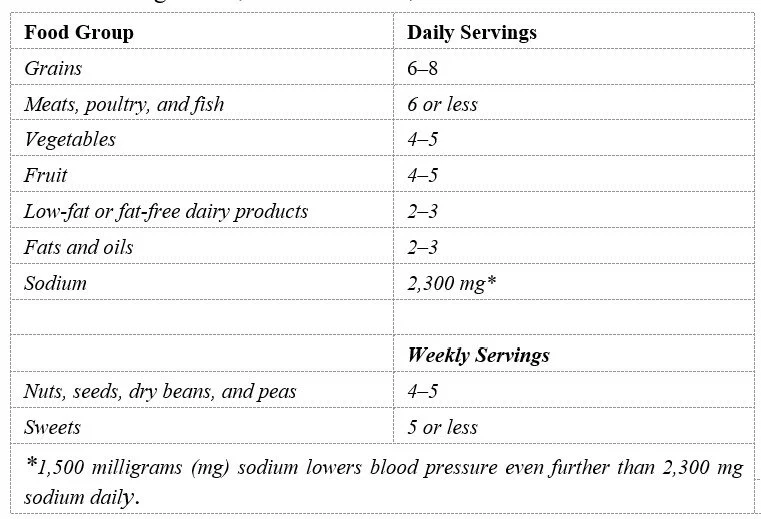
When following the DASH eating plan, it is important to choose foods that are:
· Low in saturated and trans fats
· Rich in potassium, calcium, magnesium, fiber, and protein
· Lower in sodium (DASH Eating Plan, 2021)
Recipes
On the internet, under DASH diet recipes/Mayo Clinic, is a comprehensive list of recipes for the DASH diet that could work for the MIND diet as well. There are several other recipes to be found on the internet. https://www.mayoclinic.org/healthy-lifestyle/recipes
Mediterranean Diet
The Mediterranean Diet emphasizes plant-based foods and healthy fats. You eat mostly veggies, fruits and whole grains. Extra virgin olive oil is the main source of fat. The Mediterranean Diet can lower your risk of cardiovascular disease and many other chronic conditions. A dietitian can help you customize the diet to suit your needs.
Fruits, veggies, whole grains and extra virgin olive oil are foods you'll eat most often with the Mediterranean Diet. The Mediterranean Diet is a way of eating that emphasizes plant-based foods and healthy fats. You focus on overall eating patterns rather than following strict formulas or calculations.
In general, you’ll eat:
· Lots of vegetables, fruit, beans, lentils and nuts.
· A good amount of whole grains, like whole-wheat bread and brown rice.
· Plenty of extra virgin olive oil (EVOO) as a source of healthy fat.
· A good amount of fish, especially fish rich in omega-3 fatty acids.
· A moderate amount of natural cheese and yogurt.
· Little or no red meat, choosing poultry, fish or beans instead of red meat.
· Little or no sweets, sugary drinks or butter.
The Mediterranean Diet has these benefits because it:
· Limits saturated fat and trans-fat. You need some saturated fat, but only in small amounts. Eating too much saturated fat can raise your LDL (bad) cholesterol. A high LDL raises your risk of plaque buildup in your arteries (atherosclerosis). Trans fat has no health benefits. Both of these “unhealthy fats” can cause inflammation.
· Encourages healthy unsaturated fats, including omega-3 fatty acids. Unsaturated fats promote healthy cholesterol levels, support brain health and combat inflammation. Plus, a diet high in unsaturated fats and low in saturated fat promotes healthy blood sugar levels.
· Limits sodium. Eating foods high in sodium can raise your blood pressure, putting you at a greater risk for a heart attack or stroke.
· Limits refined carbohydrates, including sugar. Foods high in refined carbs can cause your blood sugar to spike. Refined carbs also give you excess calories without much nutritional benefit. For example, such foods often have little or no fiber.
· Favors foods high in fiber and antioxidants. These nutrients help reduce inflammation throughout your body. Fiber also helps keep waste moving through your large intestine and helps maintain healthy blood sugar levels. Antioxidants protect you against cancer by warding off free radicals.
The Mediterranean Diet includes many different nutrients that work together to help your body. There’s no single food or ingredient responsible for the Mediterranean Diet’s benefits. Instead, the diet is healthy for you because of the combination of nutrients it provides.
You might want to have one of these diet lists handy when you make your weekly grocery list.
[i] Oxidative stress is an imbalance of free radicals and antioxidants in your body that leads to cell damage. It plays a role in many conditions like cancer, Alzheimer’s disease and heart disease. Toxins like pollution and cigarette smoke can cause oxidative stress, while foods rich in antioxidants can help reduce it.
References
DASH Eating Plan. (2021, December 21). Retrieved from National Heart, Lung, & Blood Institute: https://www.nhlbi.nih.gov/education/dash-eating-plan
Marks, D. T. (2026). Can Food Really Rewire Your Brain? Retrieved from YouTube: https://www.youtube.com/watch?v=J64Y8zrO_mc
Marks, D. T. (2026). How To Power up Your Mind: Essential Nutrients for a healthy brain. Retrieved from YouTube: https://www.youtube.com/watch?v=E_LVUM4-d70
MIND Diet Associated with Reduced Incidence of Alzheimer’s Disease. (2015, February 11). Retrieved from PubMed Central: https://www.ncbi.nlm.nih.gov/pmc/articles/PMC4532650/