

How Leqembi and Kisunla Fight Alzheimer's in Different Ways
A diagnosis of Alzheimer's no longer means there are no treatment options. Two FDA-approved drugs, Leqembi and Kisunla, can slow the disease for people diagnosed early, but they work differently. Understanding how beta-amyloid changes from harmless protein fragments into toxic oligomers, protofibrils, plaques, and eventually tau tangles can help patients and families make more informed treatment decisions.
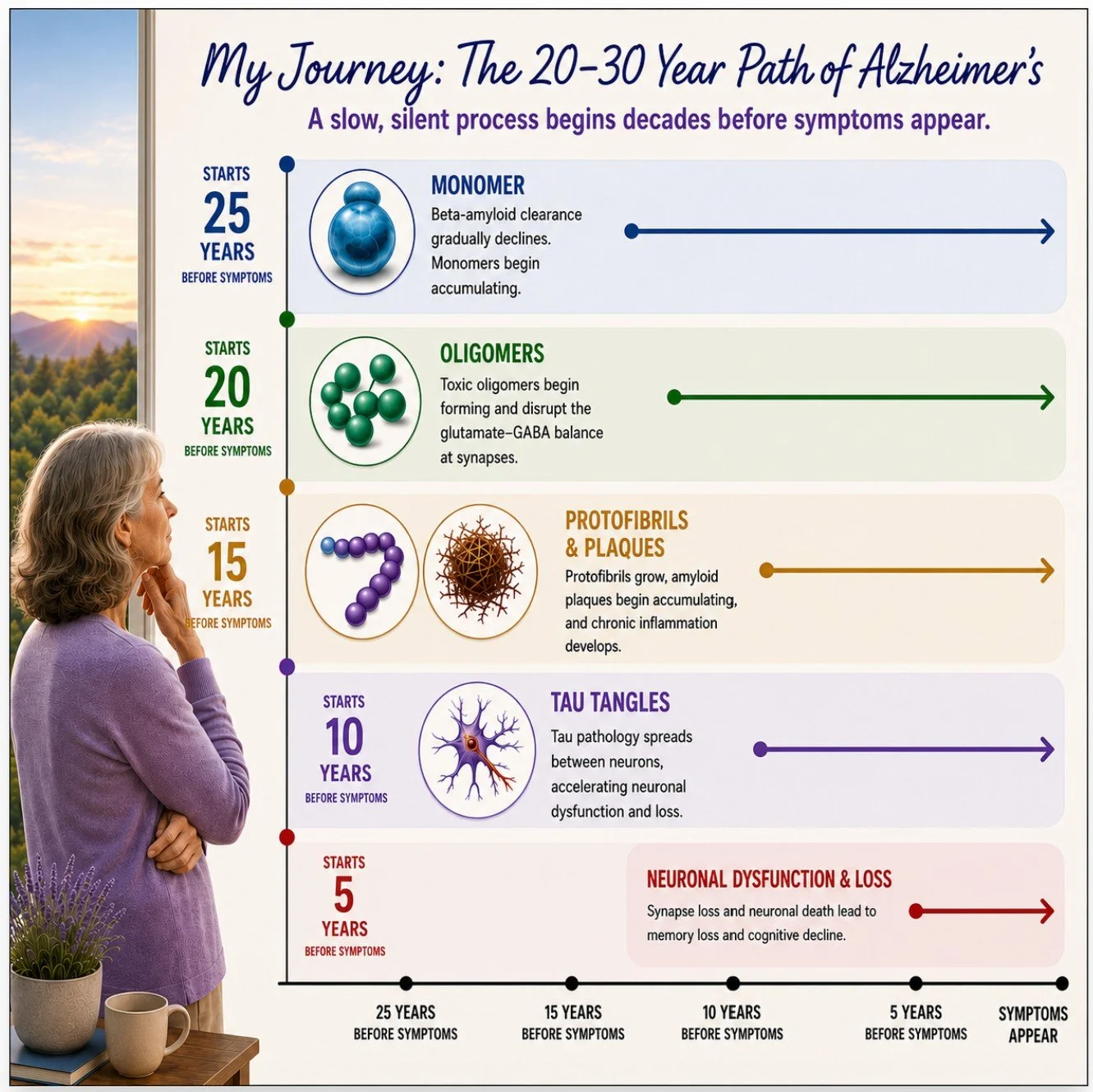
Learn How Alzheimer’s Creeped Into My Brain
Alzheimer's doesn't begin with memory loss. It begins silently 20 to 30 years earlier as changes in beta-amyloid, toxic oligomers, inflammation, and tau gradually damage the brain. This article explains the modern science behind Alzheimer's in clear, understandable language and shows how new blood tests, biomarkers, and treatments like Leqembi are transforming diagnosis, and offering hope for the future.
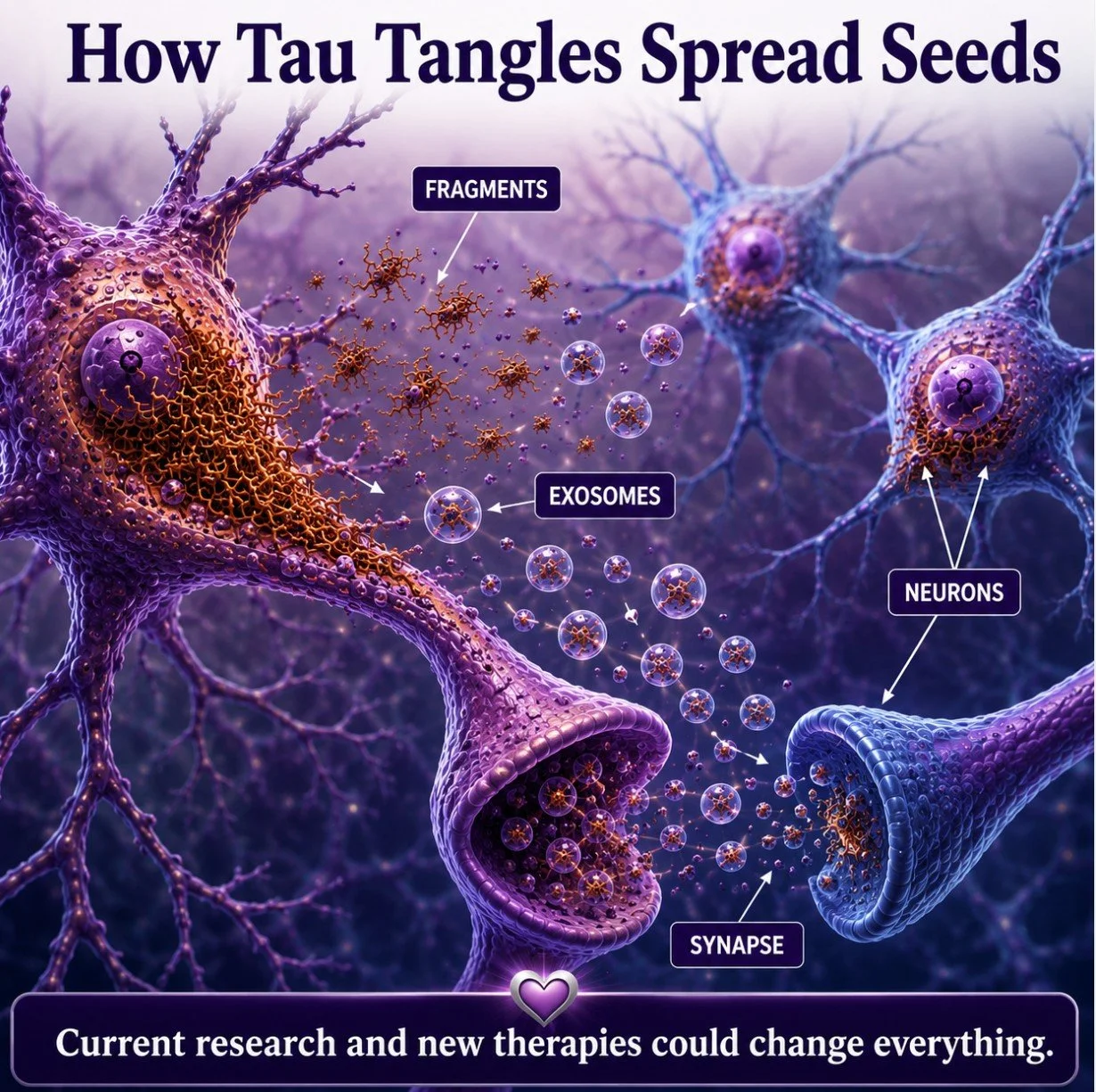
Alzheimer’s Tau Tangle Challenges
For decades, beta-amyloid plaques have dominated Alzheimer's research, but scientists now believe tau tangles are the primary driver of neuron damage and memory loss. This article explains, in easy-to-understand language, how healthy tau proteins support brain cells, what causes them to become tangled, how they spread from neuron to neuron, and why they remain one of Alzheimer's greatest treatment challenges. Drawing from both the latest scientific discoveries and my personal experience after successfully clearing amyloid plaque with Leqembi, this article also explores the promising new therapies that may one day stop tau tangles and change the future of Alzheimer's disease.