
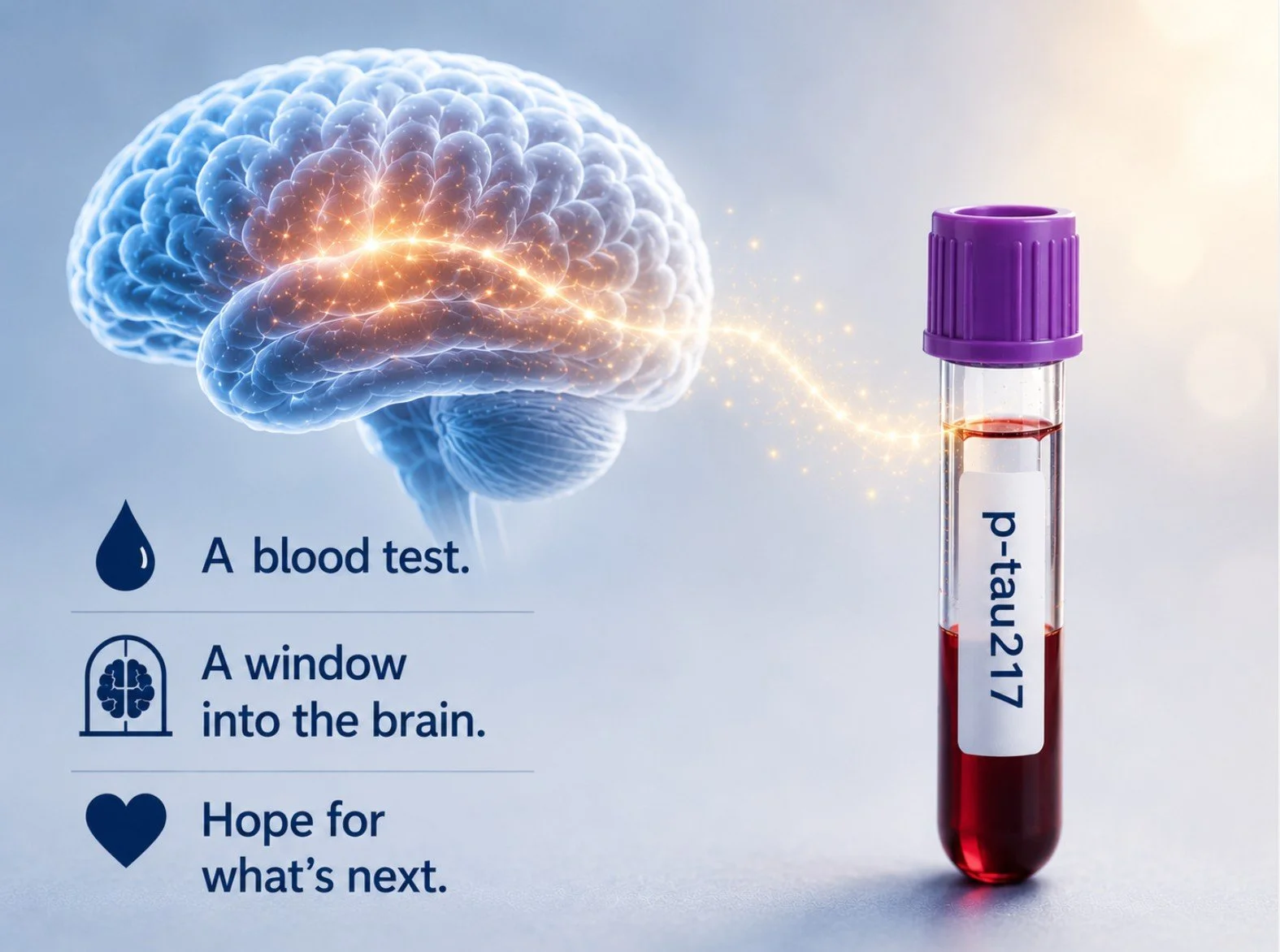
Leqembi and p-tau217: A Blood Test Offers a New Window Into Alzheimer’s
A personal look at what happened to my p-tau217 blood levels after starting Leqembi, and how new research suggests that changes in this Alzheimer’s biomarker may provide an early indication of how patients are responding to treatment.
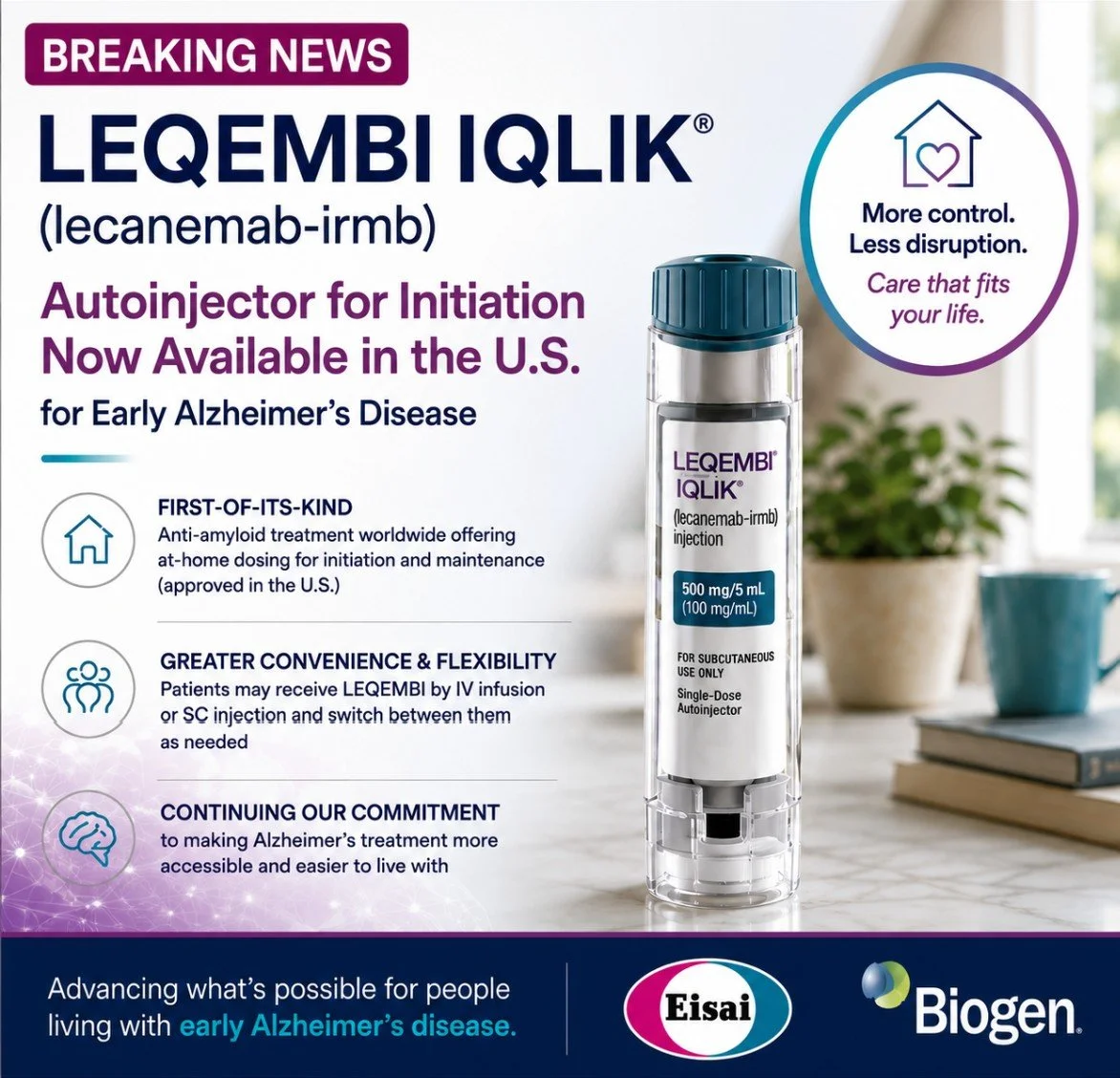
LEQEMBI IQLIK®(lecanemab-irmb) Autoinjector for Initiation of Therapy Now Available in the U.S. for Early Alzheimer's Disease
LEQEMBI IQLIK, the lecanemab autoinjector, is now available in the U.S. for initiation of treatment in people with early Alzheimer’s disease. This breakthrough adds a more convenient at-home option to the growing range of Alzheimer’s treatment choices and represents another important step forward in the fight against this devastating disease.
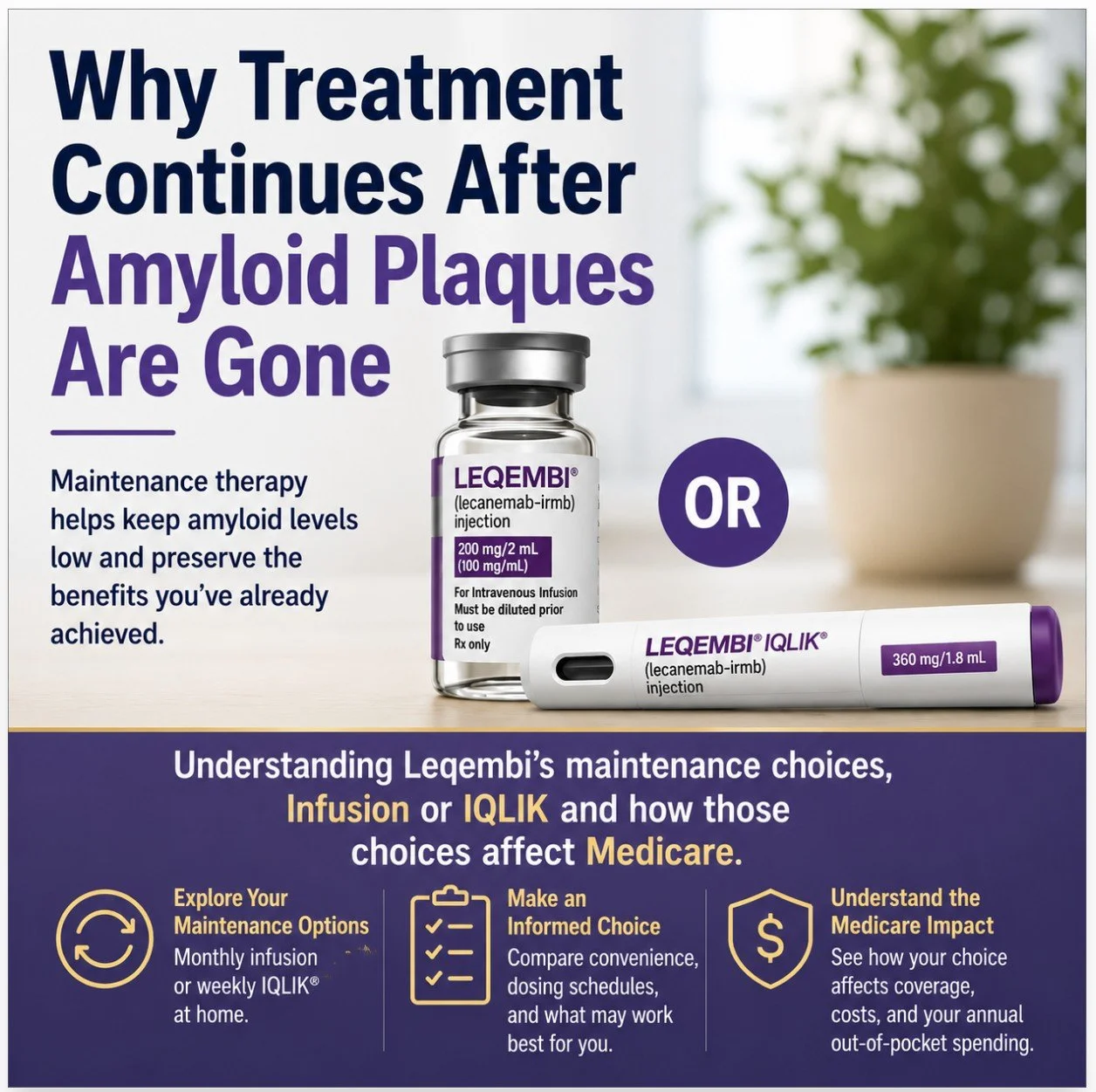
Everything You Need to Know About Leqembi Maintenance and Medicare
After Leqembi removes amyloid plaques from the brain, treatment isn't over. The brain continues to produce beta-amyloid every day, and in Alzheimer's disease a small amount escapes the brain's natural clearance systems. Without continued treatment, these molecules can gradually accumulate again, forming toxic oligomers, protofibrils, and eventually new plaques. This article explains why maintenance therapy is essential after the initial 18 months of Leqembi, compares monthly IV infusions with the FDA-approved IQLIK® self-injection, and provides a practical guide to Medicare Part B and Part D coverage, specialty pharmacies, formularies, prior authorization, and out-of-pocket costs so you can make informed decisions about your long-term treatment options.

How Leqembi and Kisunla Fight Alzheimer's in Different Ways
A diagnosis of Alzheimer's no longer means there are no treatment options. Two FDA-approved drugs, Leqembi and Kisunla, can slow the disease for people diagnosed early, but they work differently. Understanding how beta-amyloid changes from harmless protein fragments into toxic oligomers, protofibrils, plaques, and eventually tau tangles can help patients and families make more informed treatment decisions.
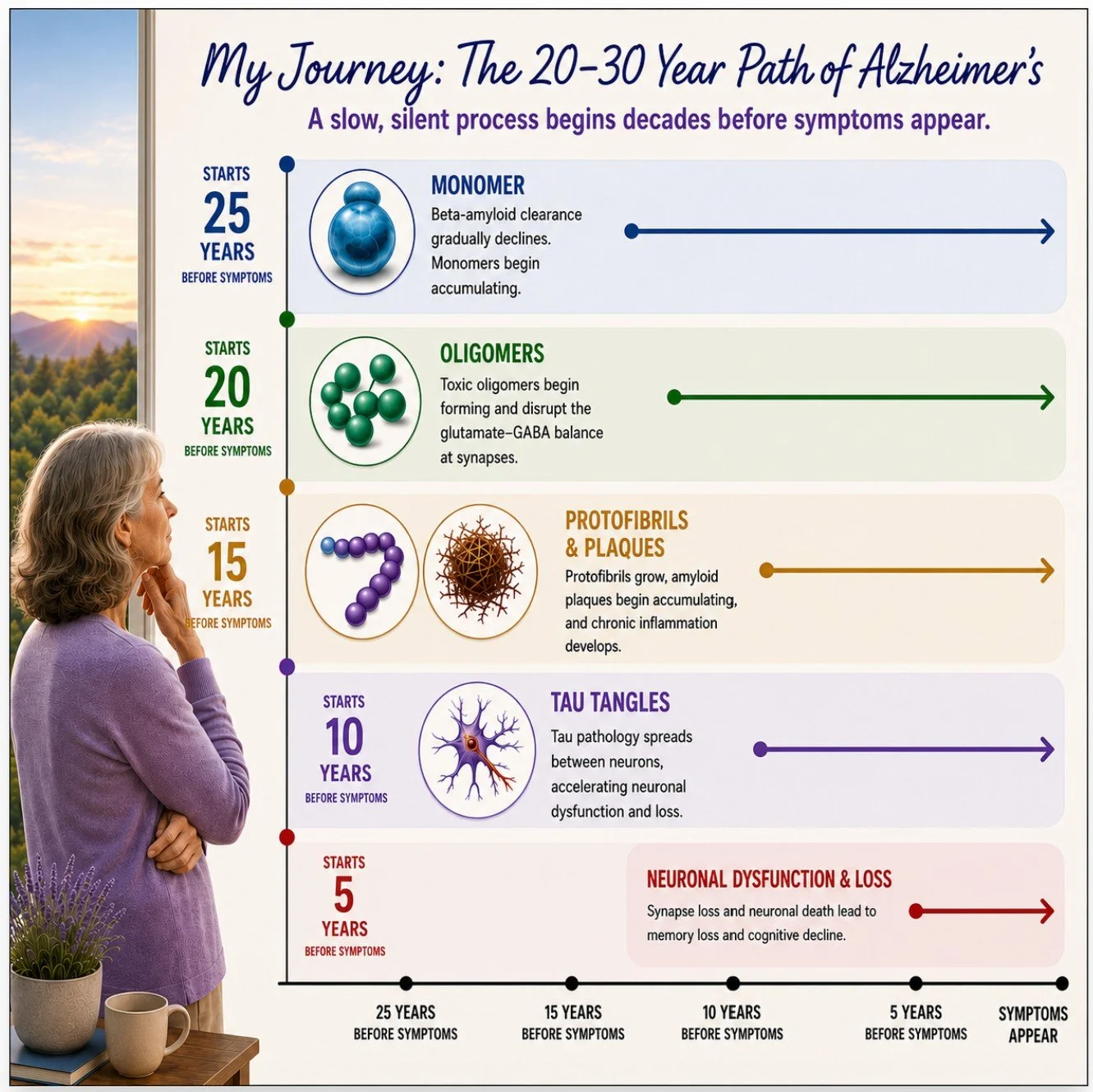
Learn How Alzheimer’s Creeped Into My Brain
Alzheimer's doesn't begin with memory loss. It begins silently 20 to 30 years earlier as changes in beta-amyloid, toxic oligomers, inflammation, and tau gradually damage the brain. This article explains the modern science behind Alzheimer's in clear, understandable language and shows how new blood tests, biomarkers, and treatments like Leqembi are transforming diagnosis, and offering hope for the future.

Medicare Advantage Isn't Always an Advantage for Alzheimer's
Choosing the right Medicare coverage can have a major impact on Alzheimer's treatment. While Medicare Advantage plans often offer lower premiums and extra benefits, they may also require prior authorizations, network restrictions, and additional approvals that can delay time-sensitive therapies such as Leqembi and Kisunla. Learn why many Alzheimer's specialists recommend Original Medicare with a Medigap supplement for patients who need access to advanced neurological care.
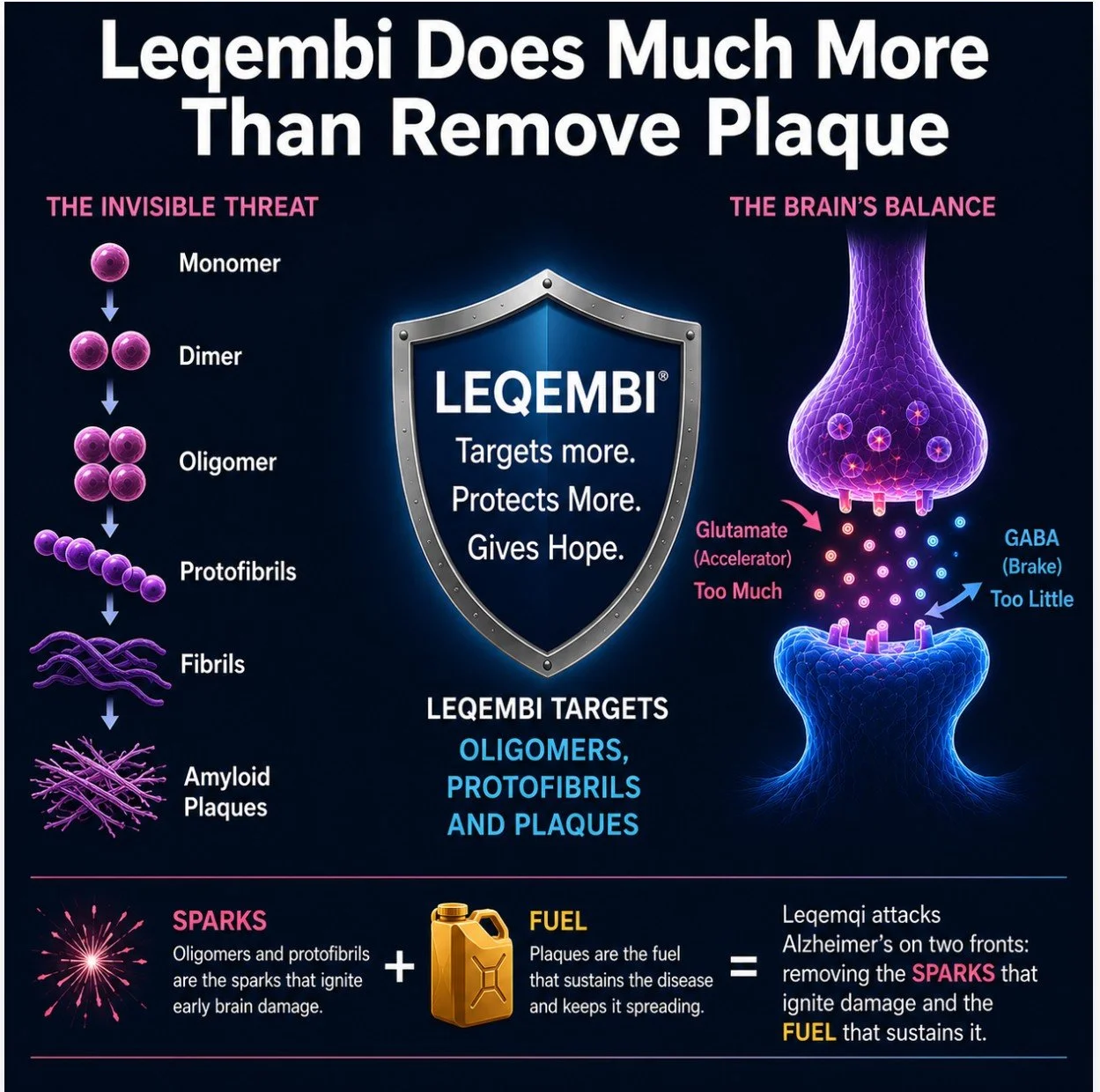
Leqembi Does Much More Than Remove Plaque
Most people think Leqembi simply removes amyloid plaque. The science tells a much bigger story. Researchers now believe tiny beta-amyloid oligomers begin damaging synapses and disrupting the brain's glutamate-GABA balance years before plaques appear. Understanding how Leqembi targets these toxic proteins changed the way I think about Alzheimer's disease, and why early treatment matters.
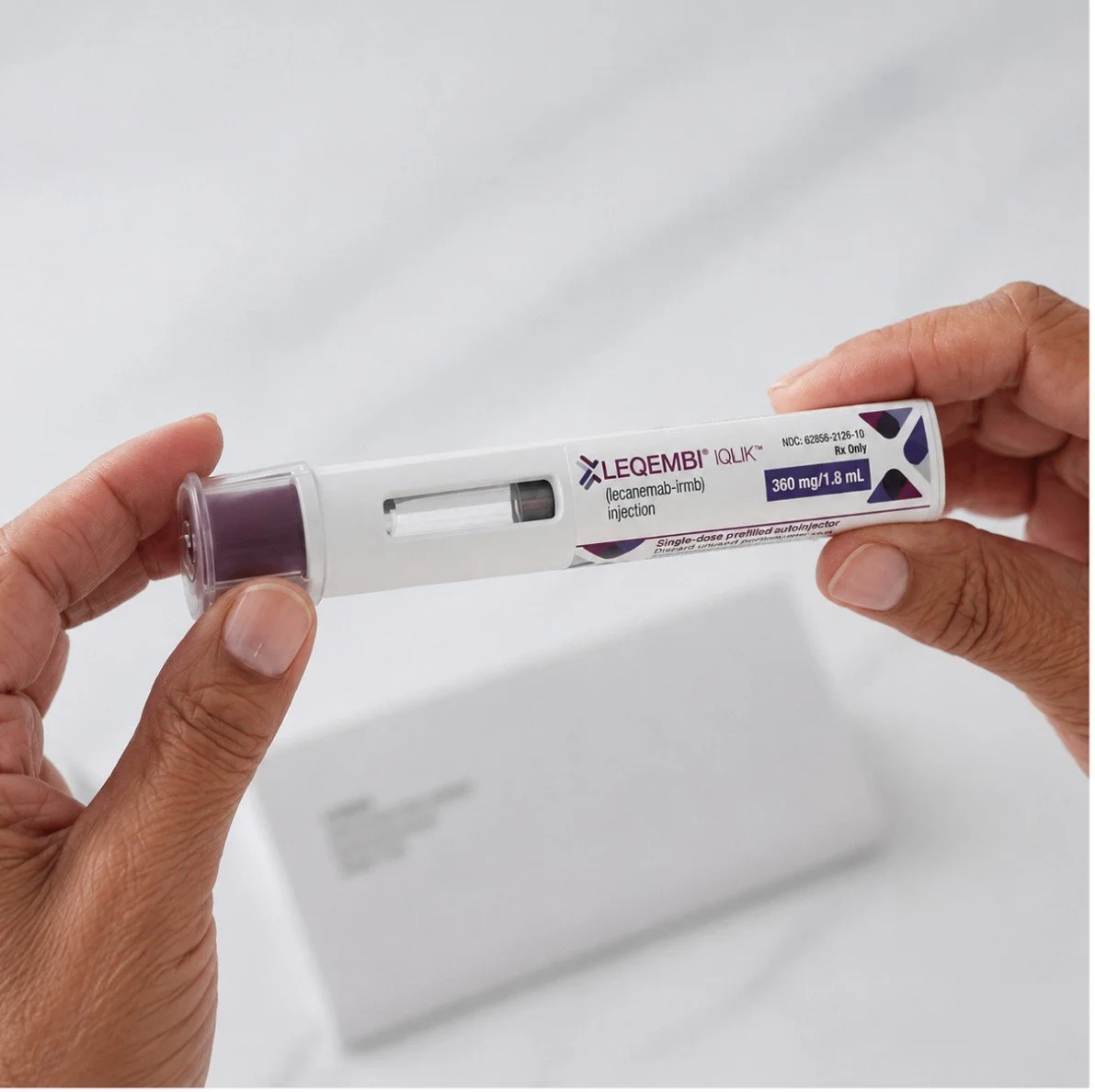
Leqembi IQLIK and Medicare: Everything You Need to Know Before You Switch
Should you stay on Leqembi infusions or switch to the new at-home IQLIK injection? That decision involves much more than convenience. Medicare covers the two treatments differently, and understanding Part B, Part D, specialty pharmacies, formularies, prior authorization, and the new annual out-of-pocket cap can save you both time and money. This practical guide explains the process step by step so people living with early Alzheimer's disease and their caregivers can make informed decisions before their first IQLIK prescription.

Leqembi = Plaque Free Brain and a Promising Future
Imagine being told you have Alzheimer's disease—and then, two years later, learning that the beta-amyloid plaques once filling your brain are no longer detectable on a PET scan. Until recently, that outcome would have seemed impossible. Thanks to early diagnosis and treatment with Leqembi, it became my reality. This is not a story about a cure. It is a story about what can happen when Alzheimer's is detected early enough for today's disease-modifying treatments to make a difference. It is also a story of gratitude—to the scientists who made this breakthrough possible—and a reminder that every adult over 60 should ask for a cognitive assessment before symptoms become impossible to ignore.
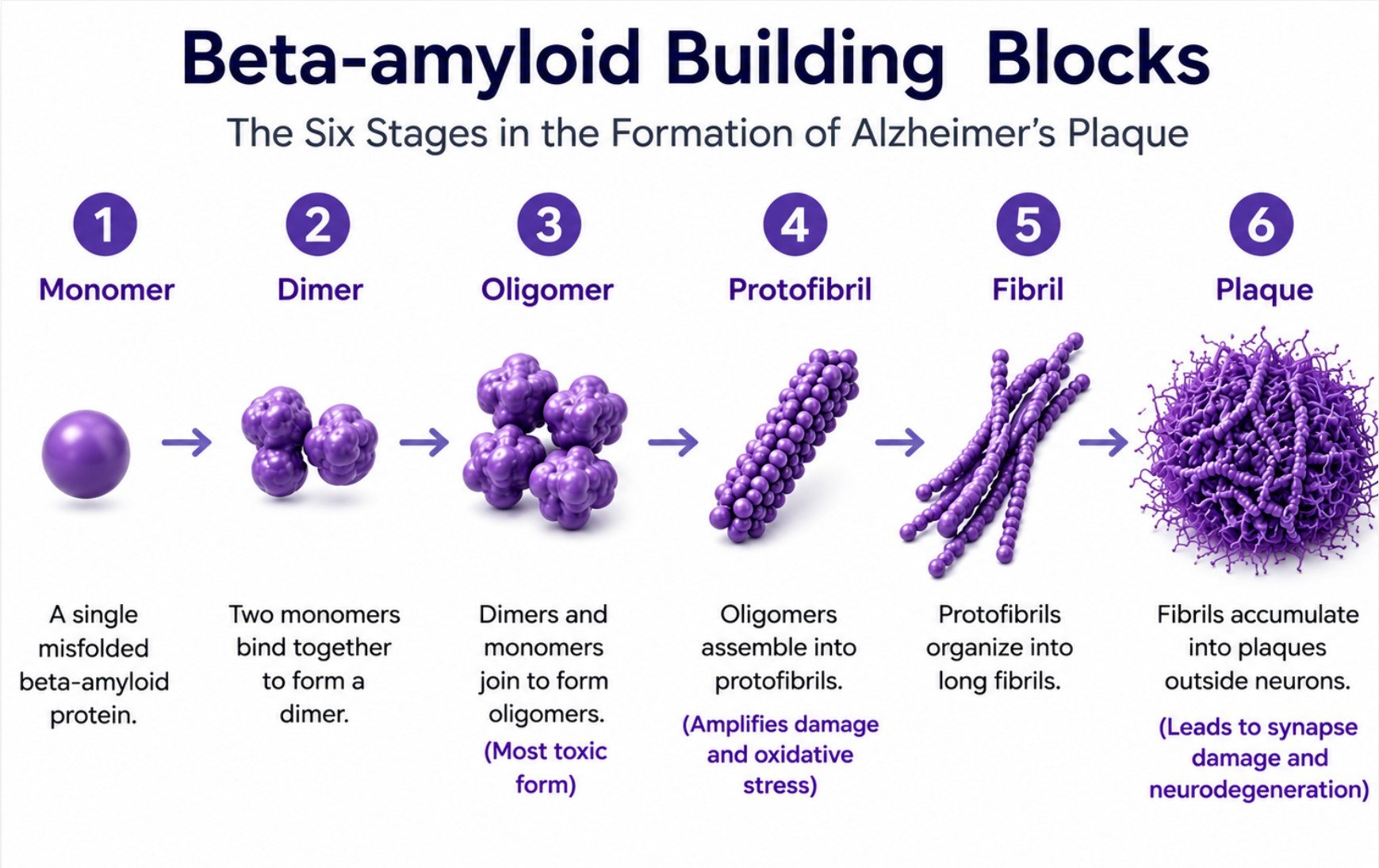
How Leqembi’s Multi-Target Strategy Fights Alzheimer’s
For decades, Alzheimer's treatments could do little more than ease symptoms while the disease continued its relentless attack on the brain. Leqembi represents a different approach. Rather than simply treating the consequences of Alzheimer's, it targets the disease itself by attaching to harmful beta-amyloid proteins at multiple stages of their development—from the smallest, most toxic clusters to fully formed plaques. By interrupting this destructive process early and continuing to remove existing amyloid, Leqembi gives the brain a better opportunity to protect neurons, preserve memory, and maintain the connections that define who we are. Understanding why this matters begins with understanding how Alzheimer's damages the brain.