
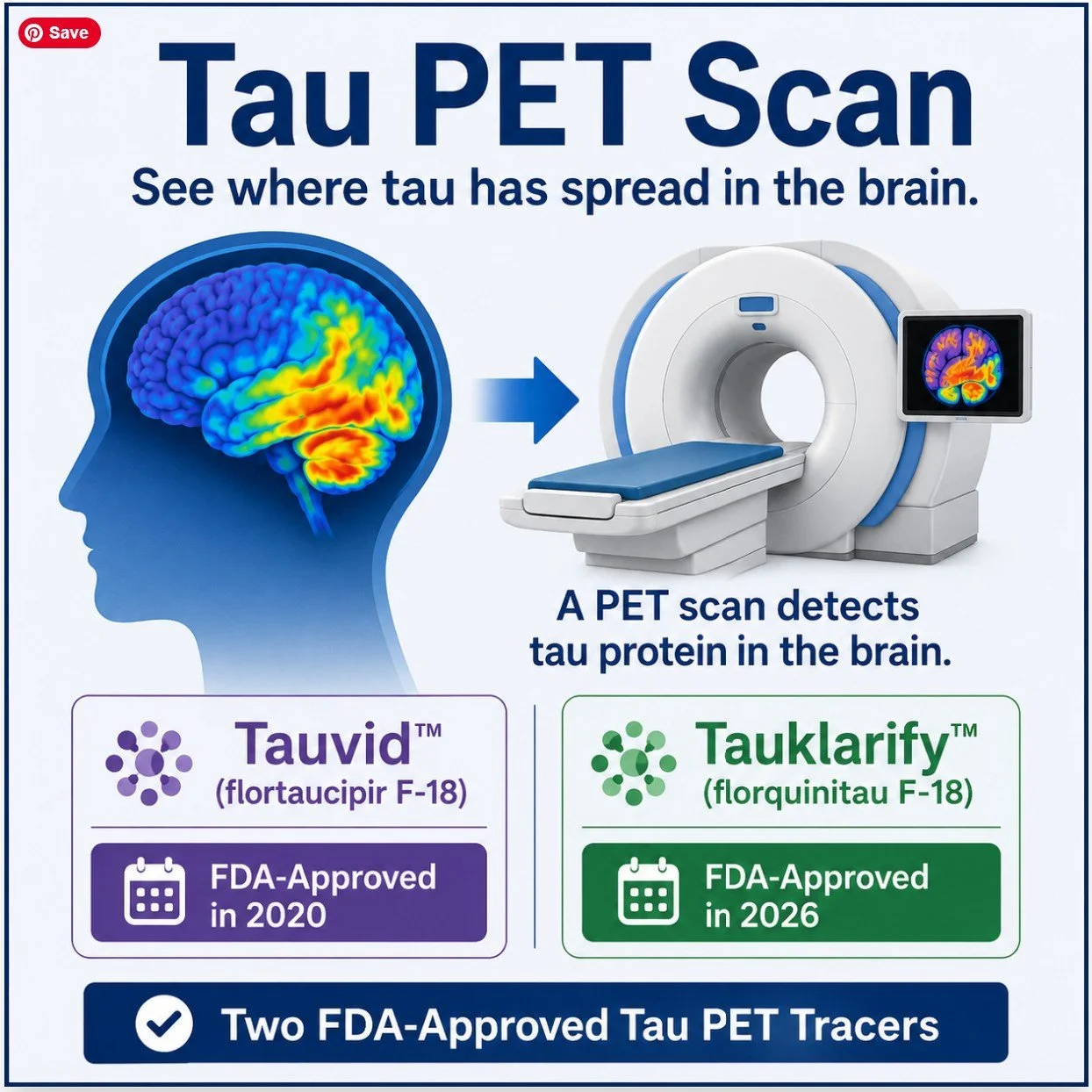
Tau PET Scans in Alzheimer’s
Tau PET is becoming an important new window into Alzheimer’s disease. With the August 2026 FDA approval of Tauklarify, clinicians now have two FDA-approved tau PET tracers—Tauvid and Tauklarify. Unlike amyloid testing, which helps identify whether Alzheimer’s biology is present, tau PET can show where aggregated tau has accumulated and how extensively it has spread. This high-level guide explains what tau PET adds, how the two tracers differ, and why tau imaging may become increasingly important for understanding disease stage and progression.
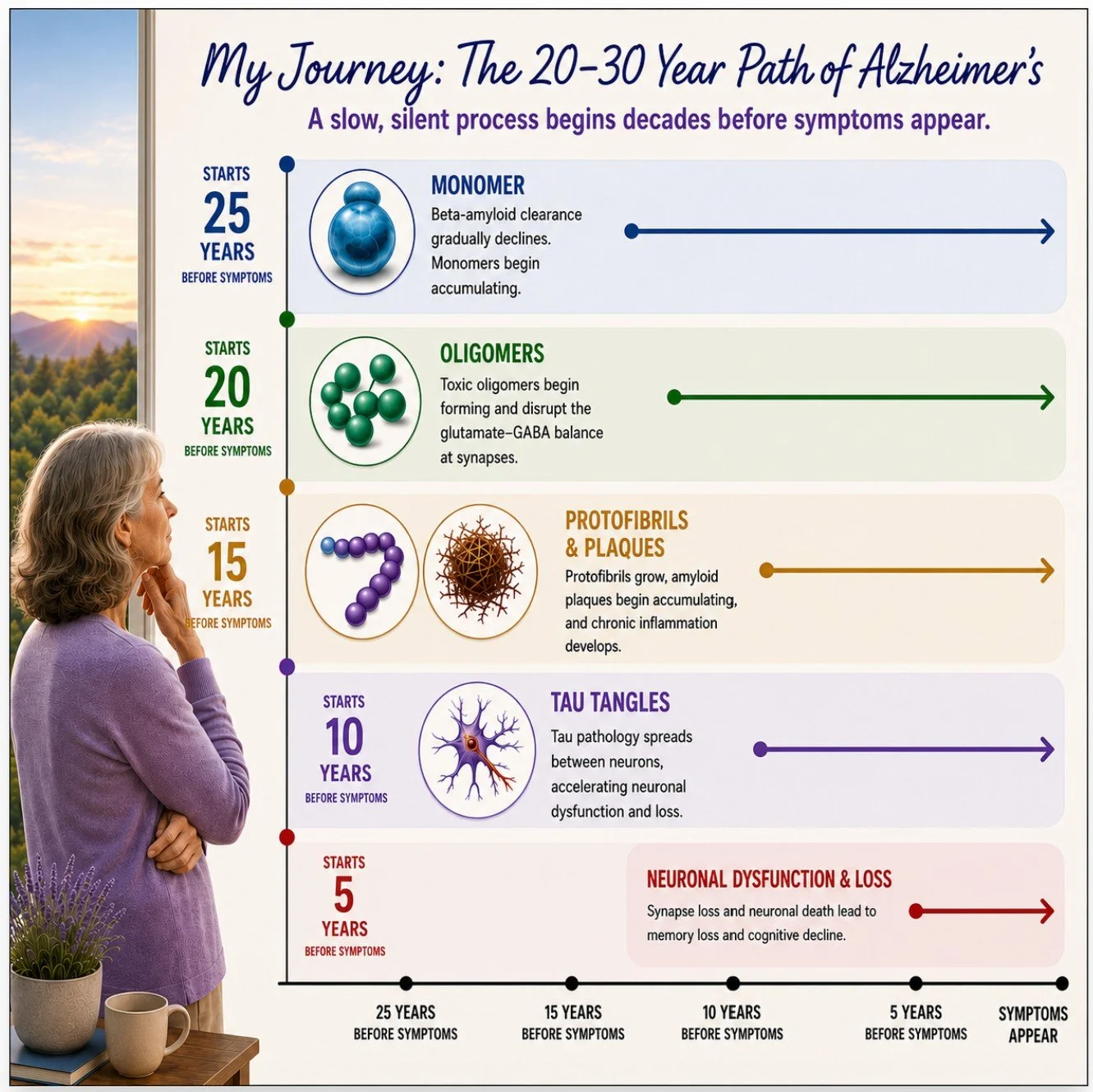
Learn How Alzheimer’s Creeped Into My Brain
Alzheimer's doesn't begin with memory loss. It begins silently 20 to 30 years earlier as changes in beta-amyloid, toxic oligomers, inflammation, and tau gradually damage the brain. This article explains the modern science behind Alzheimer's in clear, understandable language and shows how new blood tests, biomarkers, and treatments like Leqembi are transforming diagnosis, and offering hope for the future.

Why People with Alzheimer's Forget the Right Word (and How to Find It Again)
Do you have to pause or just describe a word you can't quickly recall? For people living with Alzheimer's disease, word-finding problems are among the earliest and most frustrating symptoms. The encouraging news is that the word is often not gone. The brain may simply have difficulty finding the pathway to retrieve it. In this article, I explain the neuroscience behind word retrieval, why Alzheimer's disrupts these language networks, and how practical strategies based on neuroplasticity can help strengthen communication and restore confidence.
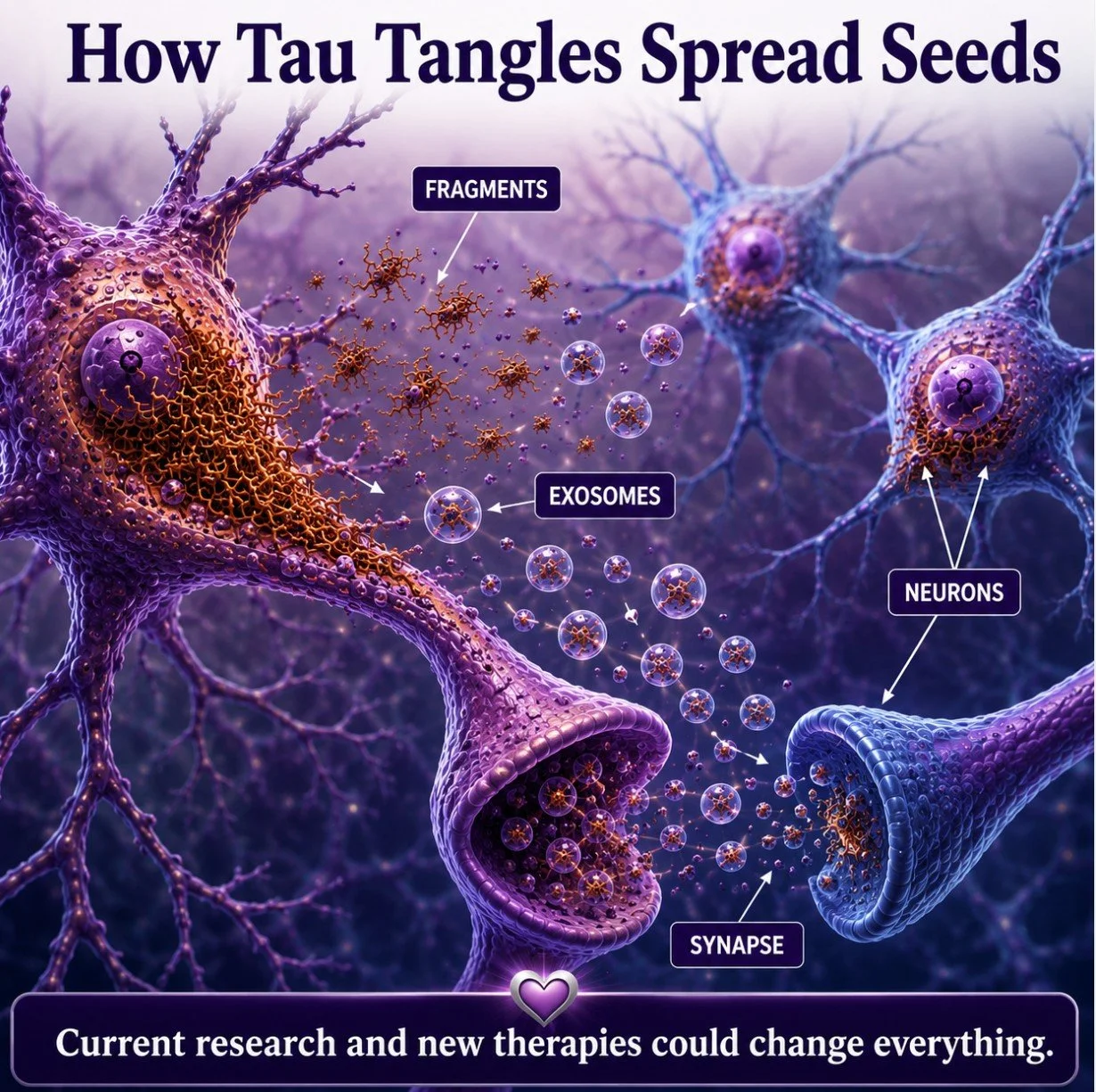
Alzheimer’s Tau Tangle Challenges
For decades, beta-amyloid plaques have dominated Alzheimer's research, but scientists now believe tau tangles are the primary driver of neuron damage and memory loss. This article explains, in easy-to-understand language, how healthy tau proteins support brain cells, what causes them to become tangled, how they spread from neuron to neuron, and why they remain one of Alzheimer's greatest treatment challenges. Drawing from both the latest scientific discoveries and my personal experience after successfully clearing amyloid plaque with Leqembi, this article also explores the promising new therapies that may one day stop tau tangles and change the future of Alzheimer's disease.