

ARIA Risk, APOE4 and Alzheimer’s Treatment Explained
When I was diagnosed with Alzheimer’s and learned that APOE could affect my risk of ARIA, I realized I didn't understand the difference between a gene, an allele, and a protein. This is the story of what I learned; what ARIA is; how to understand an APOE genetic blood test, what the risks are and how the risk is monitored.

The Food-Brain Connection: What Your Brain Does with What You Eat
Your brain doesn't just need calories, it needs the right nutrients. Discover how food becomes brain fuel, supports neurotransmitters and protects brain cells, then learn how the MIND Diet puts these principles into practice.

LEQEMBI IQLIK®(lecanemab-irmb) Autoinjector for Initiation of Therapy Now Available in the U.S. for Early Alzheimer's Disease
LEQEMBI IQLIK, the lecanemab autoinjector, is now available in the U.S. for initiation of treatment in people with early Alzheimer’s disease. This breakthrough adds a more convenient at-home option to the growing range of Alzheimer’s treatment choices and represents another important step forward in the fight against this devastating disease.
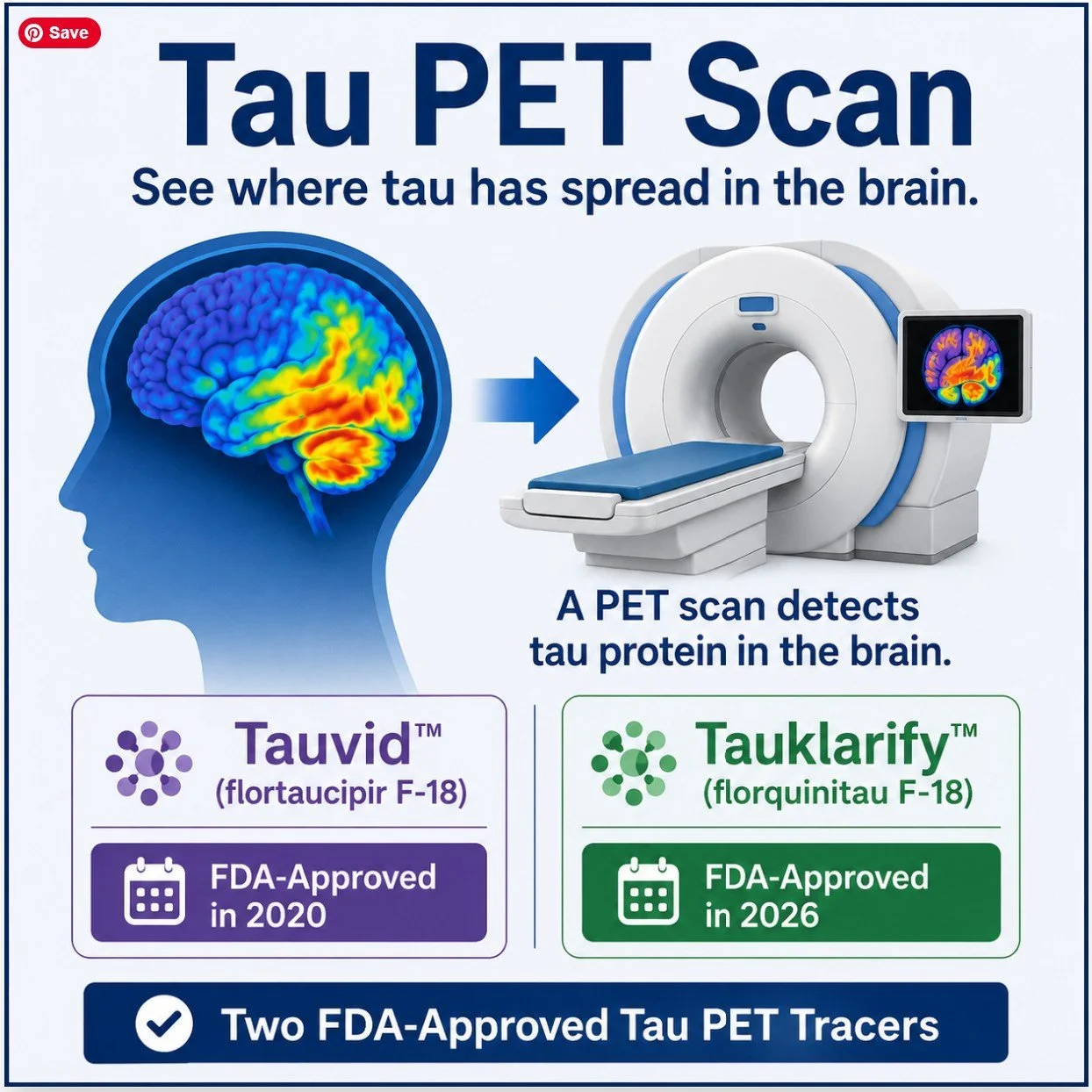
Tau PET Scans in Alzheimer’s
Tau PET is becoming an important new window into Alzheimer’s disease. With the August 2026 FDA approval of Tauklarify, clinicians now have two FDA-approved tau PET tracers—Tauvid and Tauklarify. Unlike amyloid testing, which helps identify whether Alzheimer’s biology is present, tau PET can show where aggregated tau has accumulated and how extensively it has spread. This high-level guide explains what tau PET adds, how the two tracers differ, and why tau imaging may become increasingly important for understanding disease stage and progression.
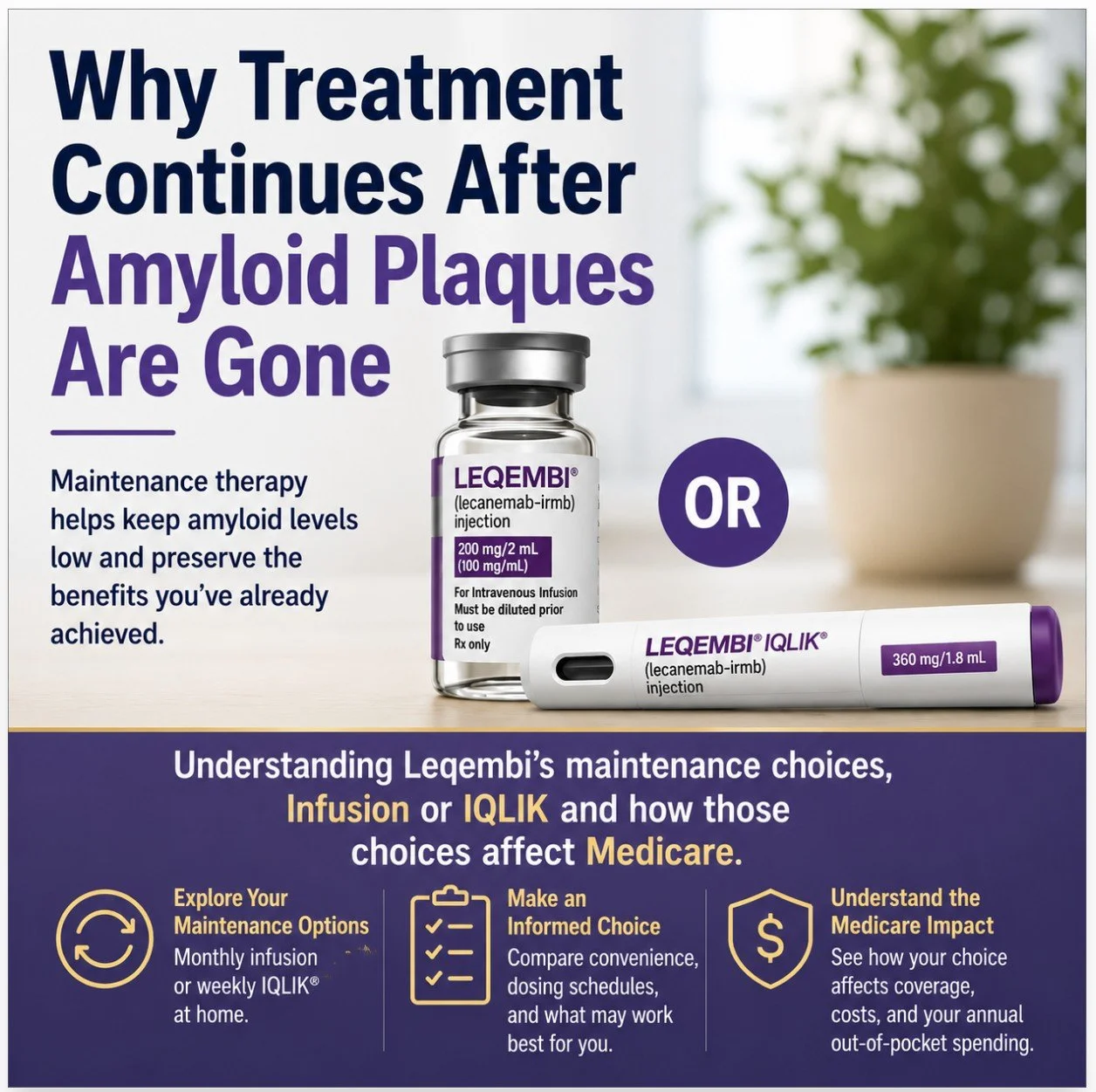
Everything You Need to Know About Leqembi Maintenance and Medicare
After Leqembi removes amyloid plaques from the brain, treatment isn't over. The brain continues to produce beta-amyloid every day, and in Alzheimer's disease a small amount escapes the brain's natural clearance systems. Without continued treatment, these molecules can gradually accumulate again, forming toxic oligomers, protofibrils, and eventually new plaques. This article explains why maintenance therapy is essential after the initial 18 months of Leqembi, compares monthly IV infusions with the FDA-approved IQLIK® self-injection, and provides a practical guide to Medicare Part B and Part D coverage, specialty pharmacies, formularies, prior authorization, and out-of-pocket costs so you can make informed decisions about your long-term treatment options.
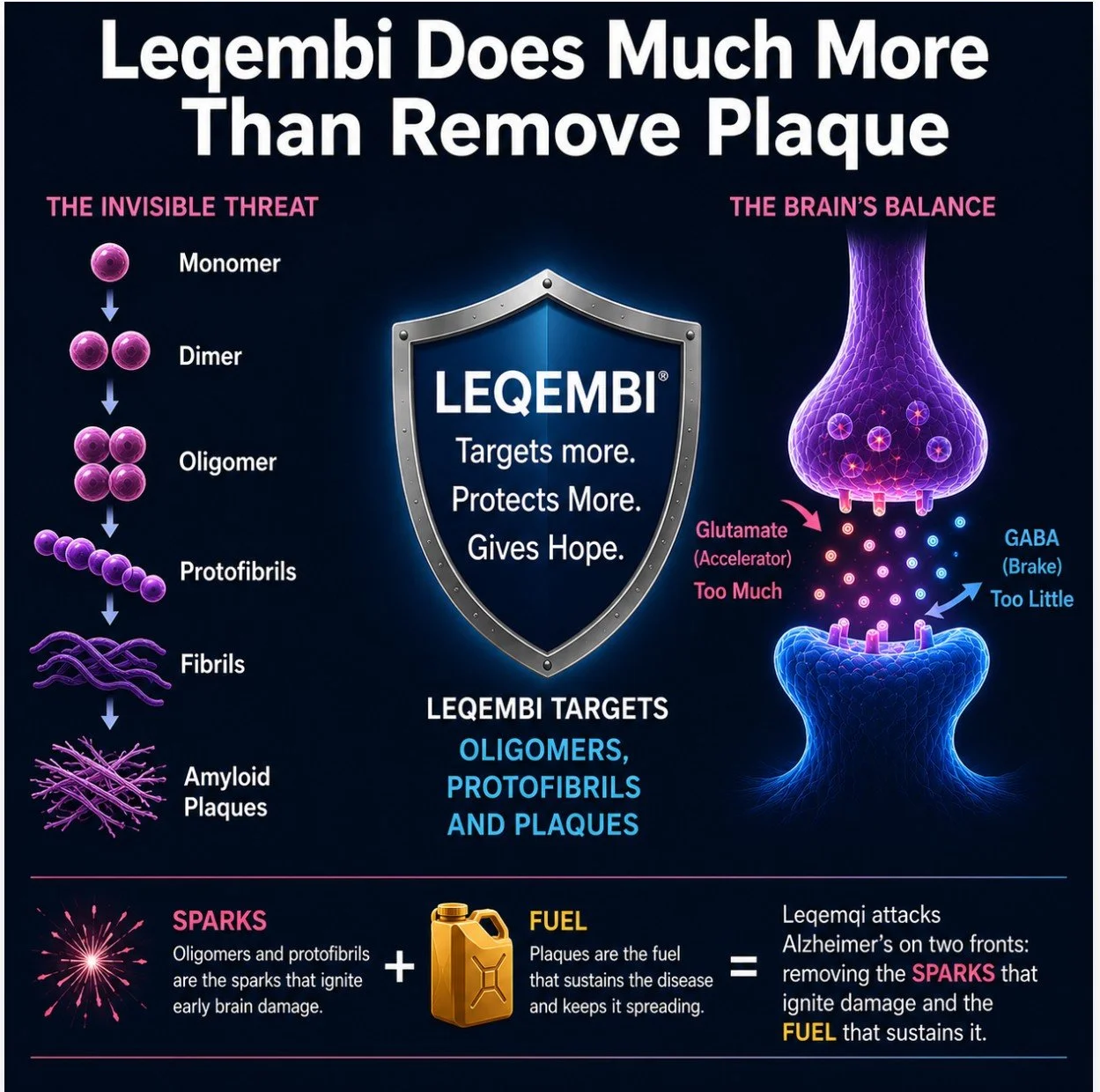
Leqembi Does Much More Than Remove Plaque
Most people think Leqembi simply removes amyloid plaque. The science tells a much bigger story. Researchers now believe tiny beta-amyloid oligomers begin damaging synapses and disrupting the brain's glutamate-GABA balance years before plaques appear. Understanding how Leqembi targets these toxic proteins changed the way I think about Alzheimer's disease, and why early treatment matters.

Hearing Loss and Alzheimer’s: What Every Senior Need to Know
Many people think hearing loss only affects their ears, but the greatest damage may occur in the brain. Discover how untreated hearing loss increases cognitive load, drains cognitive reserve, raises dementia risk, and why properly fitted hearing aids can help your brain stay healthier, sharper, and more resilient.
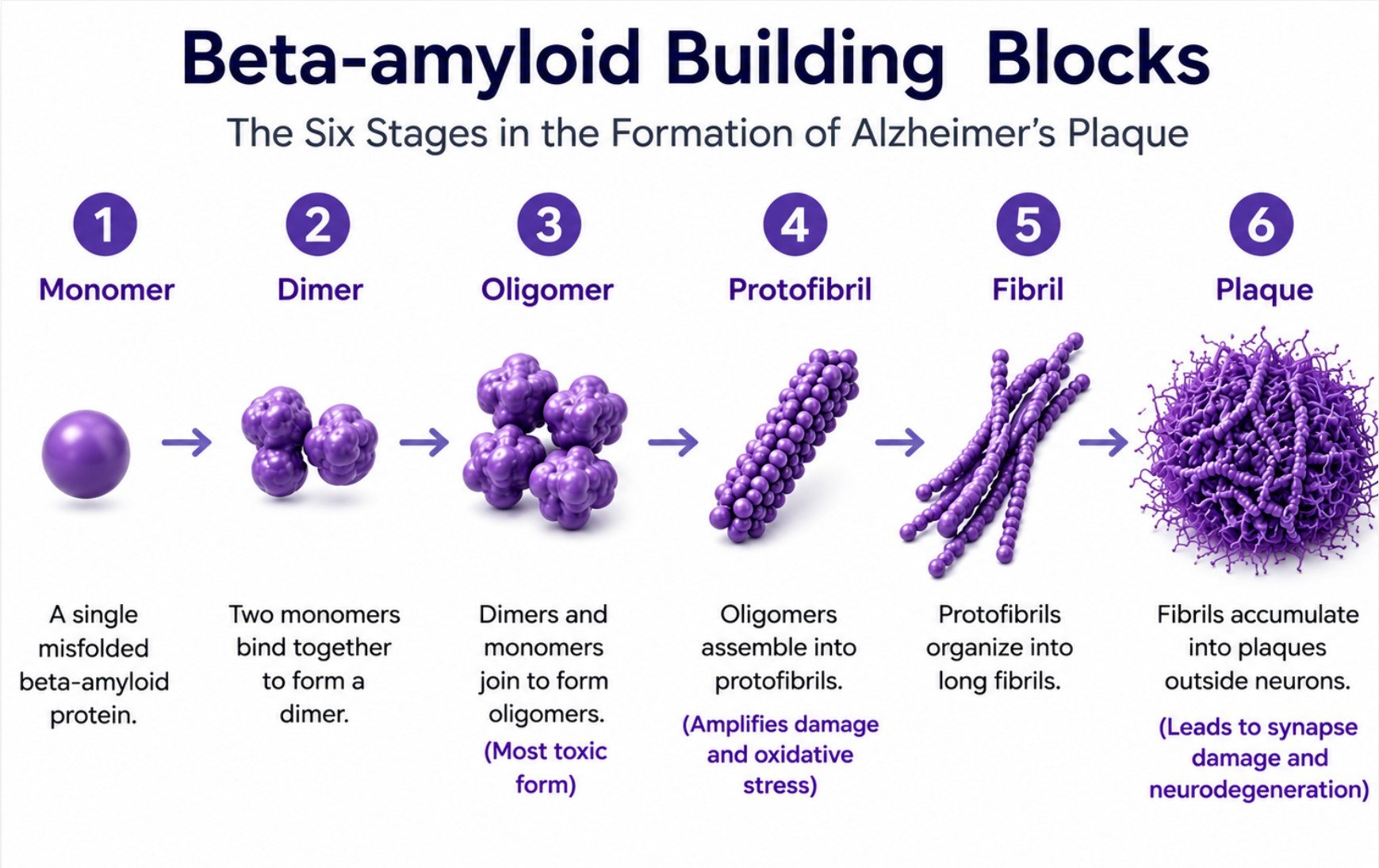
How Leqembi’s Multi-Target Strategy Fights Alzheimer’s
For decades, Alzheimer's treatments could do little more than ease symptoms while the disease continued its relentless attack on the brain. Leqembi represents a different approach. Rather than simply treating the consequences of Alzheimer's, it targets the disease itself by attaching to harmful beta-amyloid proteins at multiple stages of their development—from the smallest, most toxic clusters to fully formed plaques. By interrupting this destructive process early and continuing to remove existing amyloid, Leqembi gives the brain a better opportunity to protect neurons, preserve memory, and maintain the connections that define who we are. Understanding why this matters begins with understanding how Alzheimer's damages the brain.