
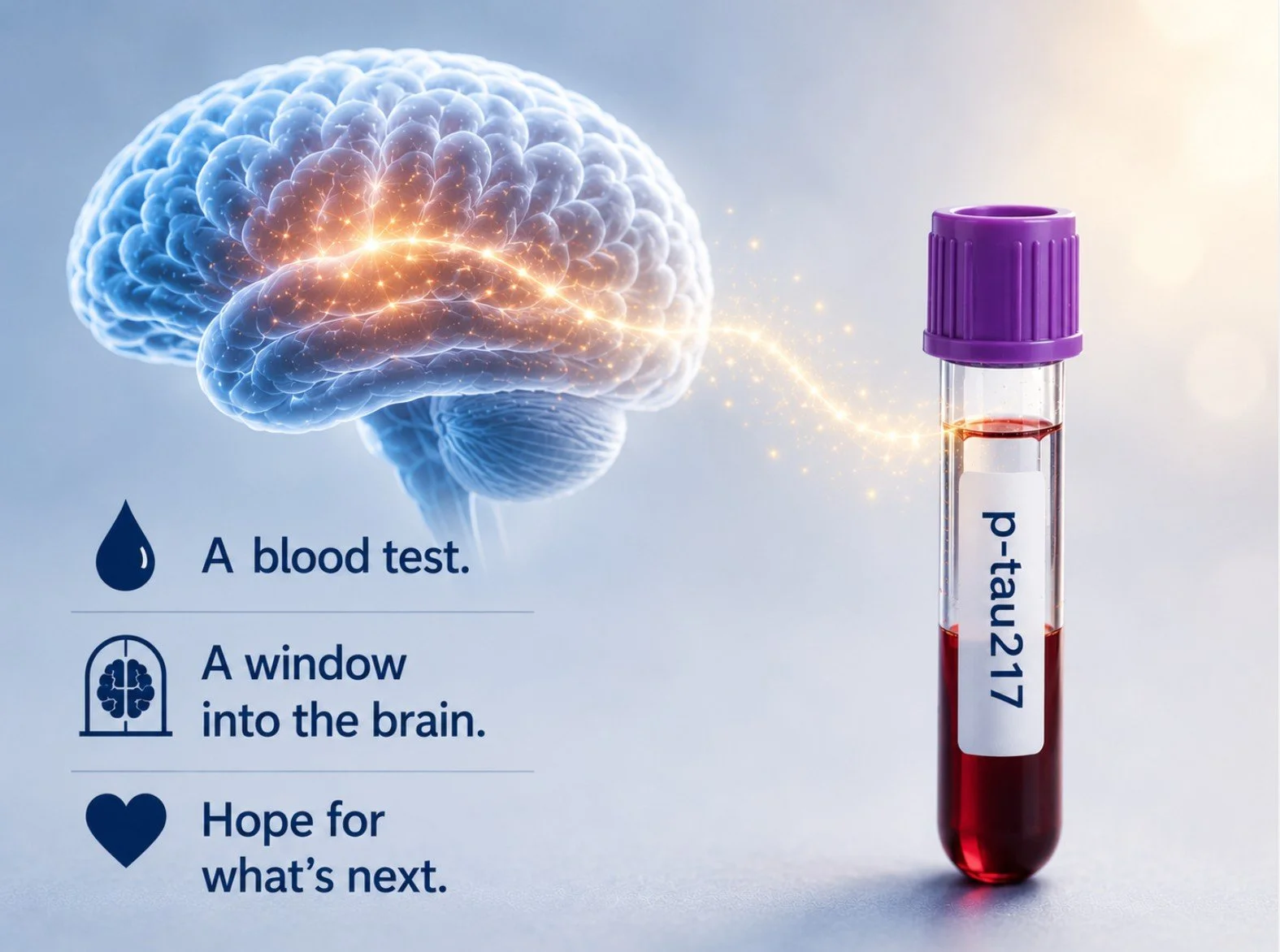
Leqembi and p-tau217: A Blood Test Offers a New Window Into Alzheimer’s
A personal look at what happened to my p-tau217 blood levels after starting Leqembi, and how new research suggests that changes in this Alzheimer’s biomarker may provide an early indication of how patients are responding to treatment.
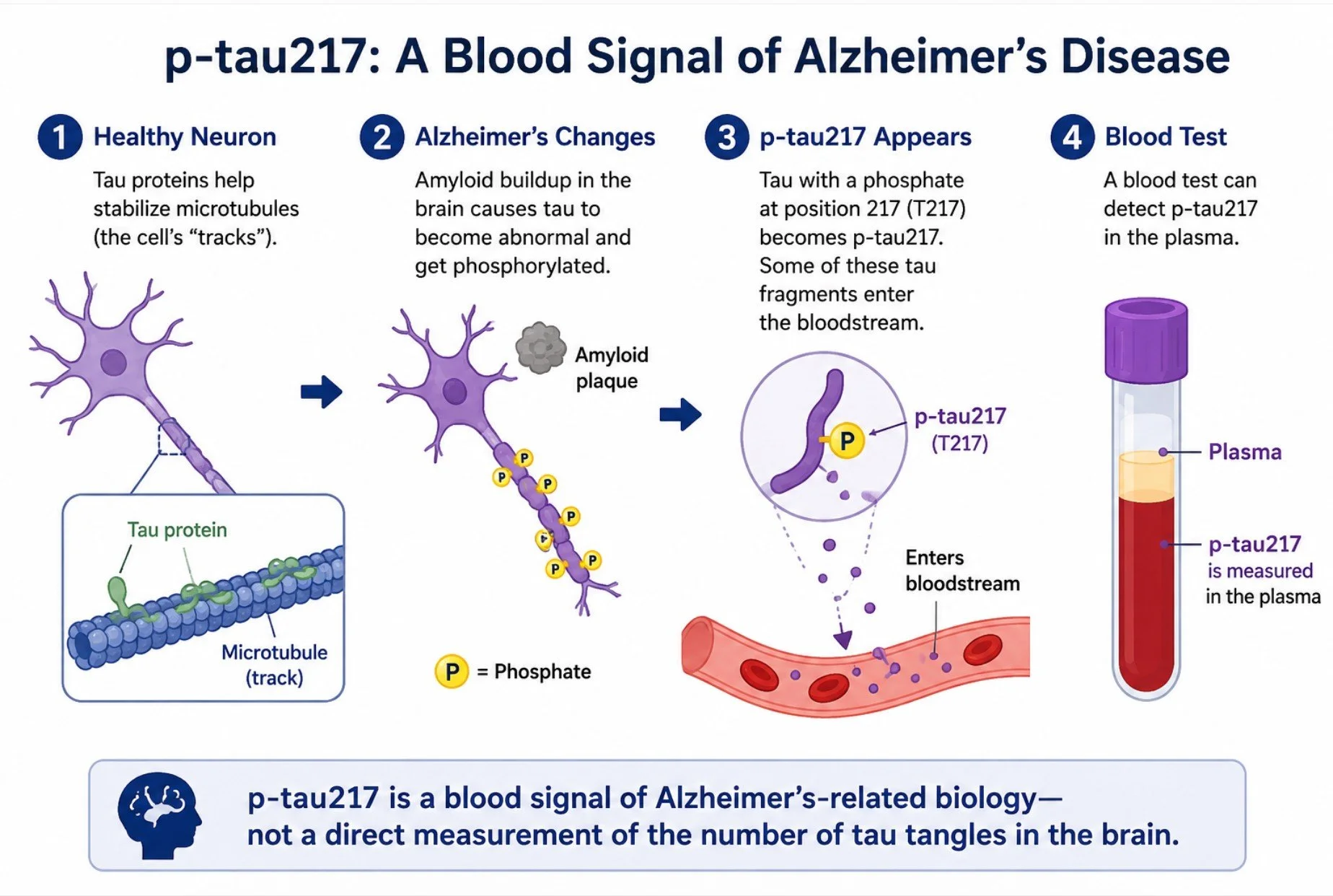
p-tau217 Blood Test: What Your Result Means
What does your p-tau217 blood test actually mean? Learn what p-tau217 measures, how it relates to beta-amyloid, why laboratory cutoffs differ, and why the number is not a measure of Alzheimer’s severity.
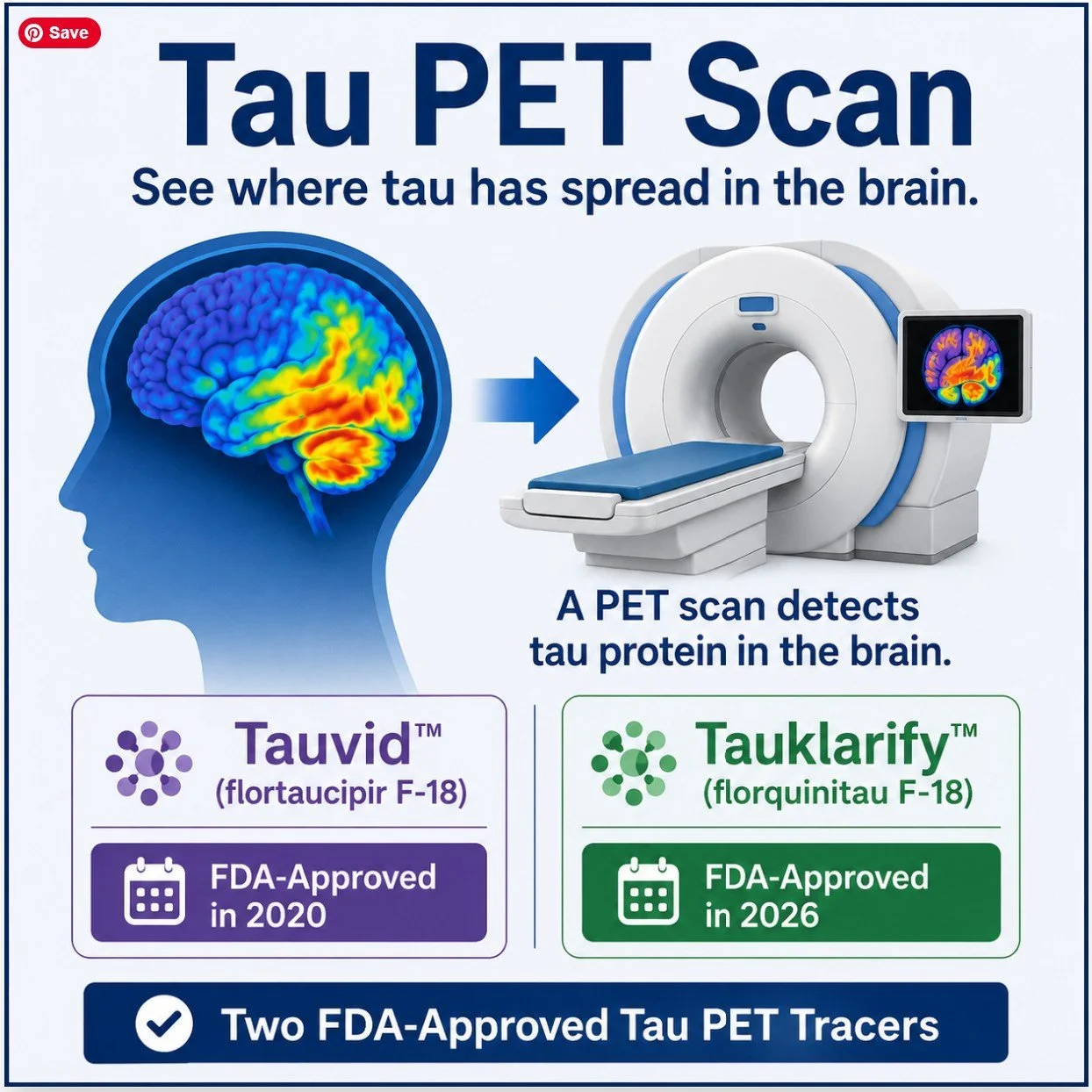
Tau PET Scans in Alzheimer’s
Tau PET is becoming an important new window into Alzheimer’s disease. With the August 2026 FDA approval of Tauklarify, clinicians now have two FDA-approved tau PET tracers—Tauvid and Tauklarify. Unlike amyloid testing, which helps identify whether Alzheimer’s biology is present, tau PET can show where aggregated tau has accumulated and how extensively it has spread. This high-level guide explains what tau PET adds, how the two tracers differ, and why tau imaging may become increasingly important for understanding disease stage and progression.
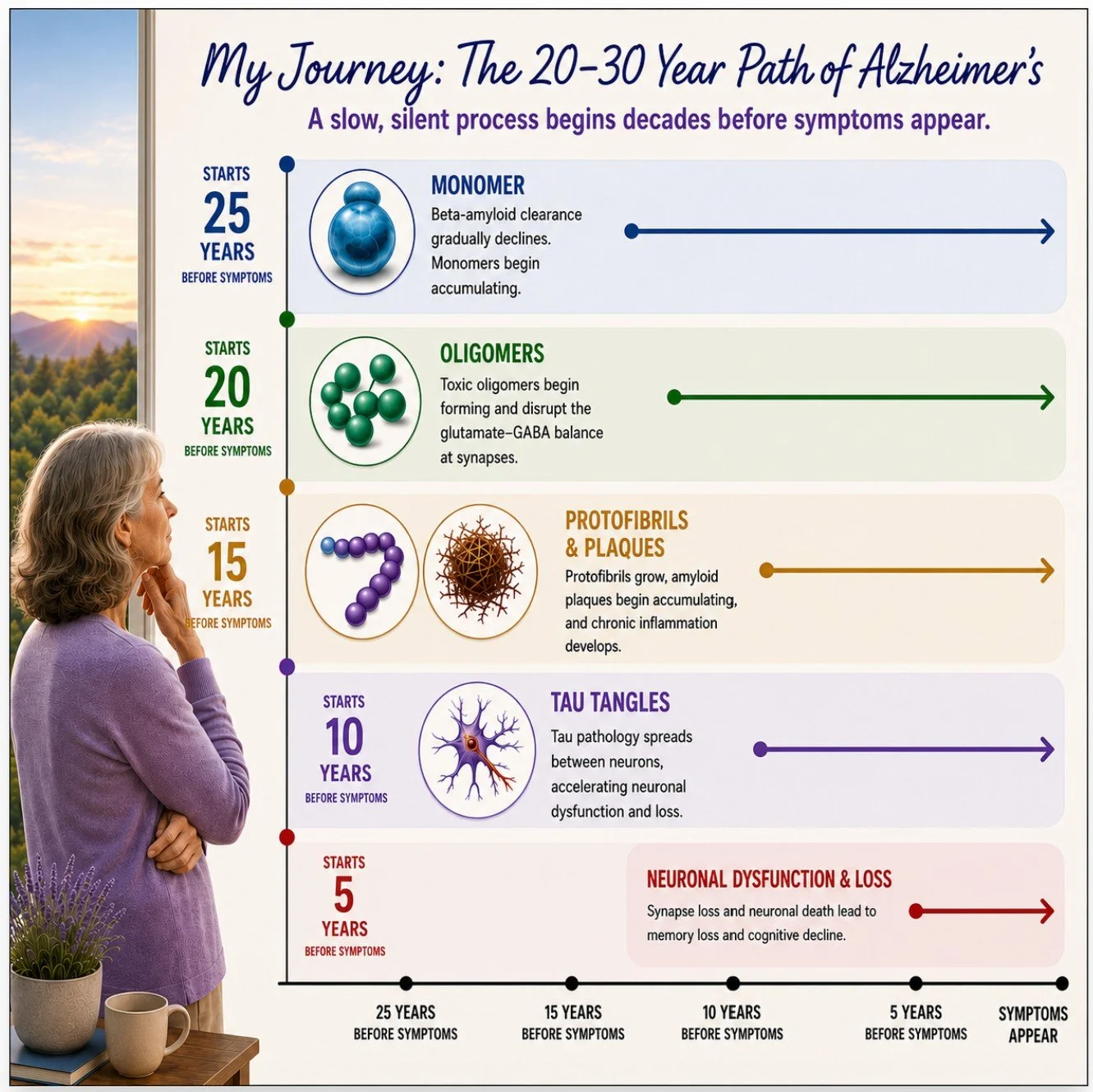
Learn How Alzheimer’s Creeped Into My Brain
Alzheimer's doesn't begin with memory loss. It begins silently 20 to 30 years earlier as changes in beta-amyloid, toxic oligomers, inflammation, and tau gradually damage the brain. This article explains the modern science behind Alzheimer's in clear, understandable language and shows how new blood tests, biomarkers, and treatments like Leqembi are transforming diagnosis, and offering hope for the future.