
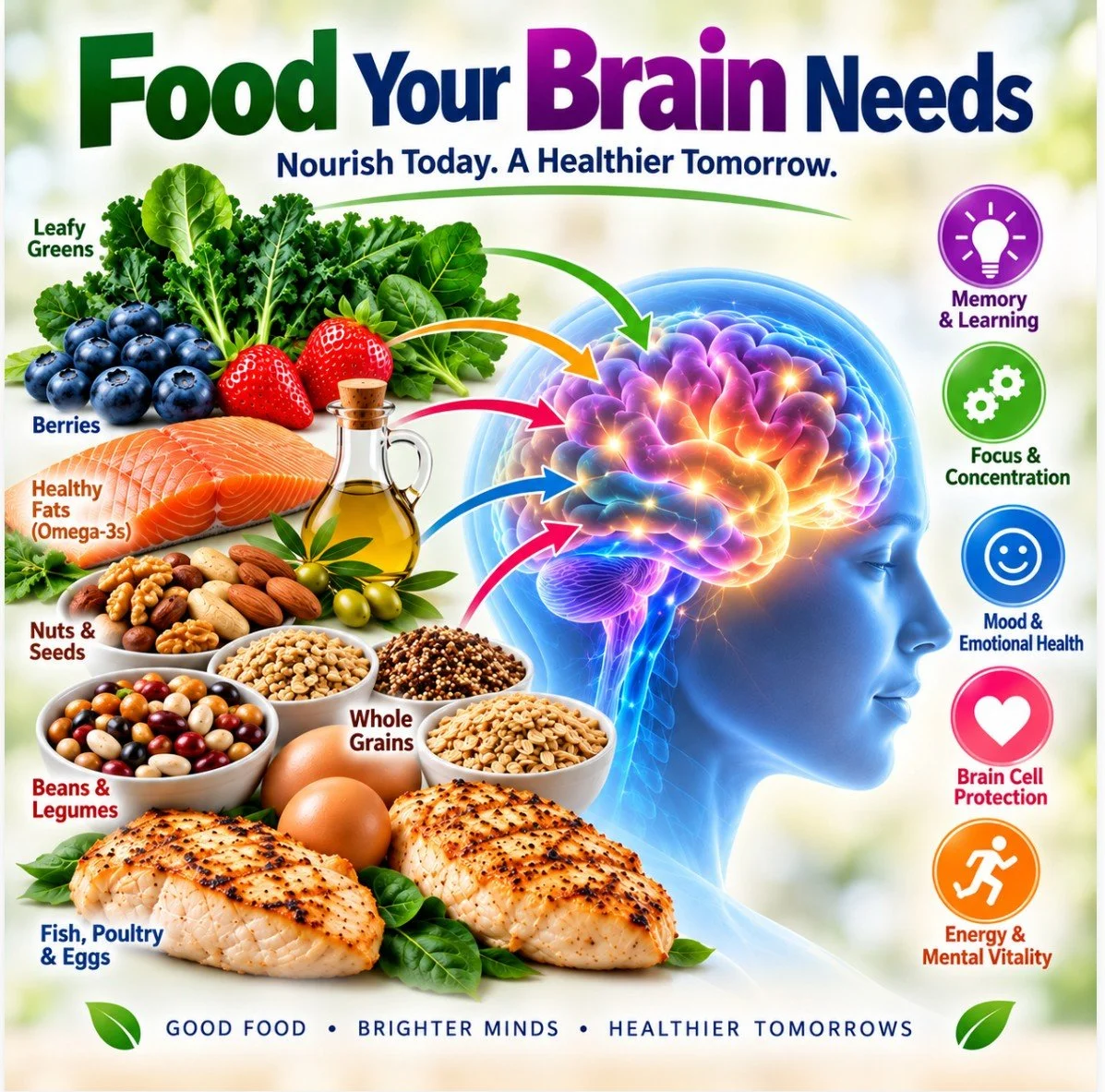
The Food-Brain Connection: What Your Brain Does with What You Eat
Your brain doesn't just need calories, it needs the right nutrients. Discover how food becomes brain fuel, supports neurotransmitters and protects brain cells, then learn how the MIND Diet puts these principles into practice.
How Leqembi’s Multi-Target Strategy Fights Alzheimer’s
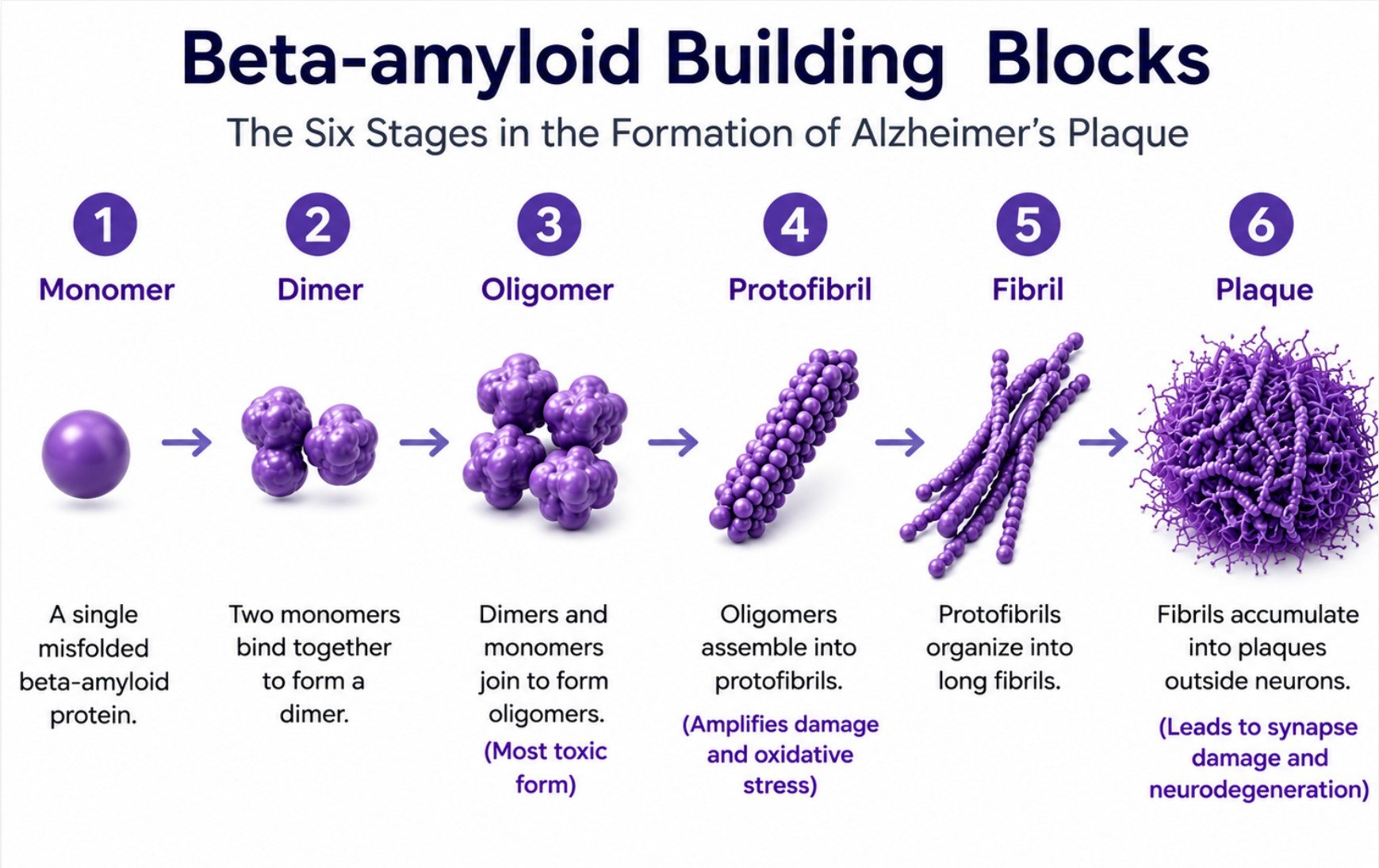
For decades, Alzheimer's treatments could do little more than ease symptoms while the disease continued its relentless attack on the brain. Leqembi represents a different approach. Rather than simply treating the consequences of Alzheimer's, it targets the disease itself by attaching to harmful beta-amyloid proteins at multiple stages of their development—from the smallest, most toxic clusters to fully formed plaques. By interrupting this destructive process early and continuing to remove existing amyloid, Leqembi gives the brain a better opportunity to protect neurons, preserve memory, and maintain the connections that define who we are. Understanding why this matters begins with understanding how Alzheimer's damages the brain.