
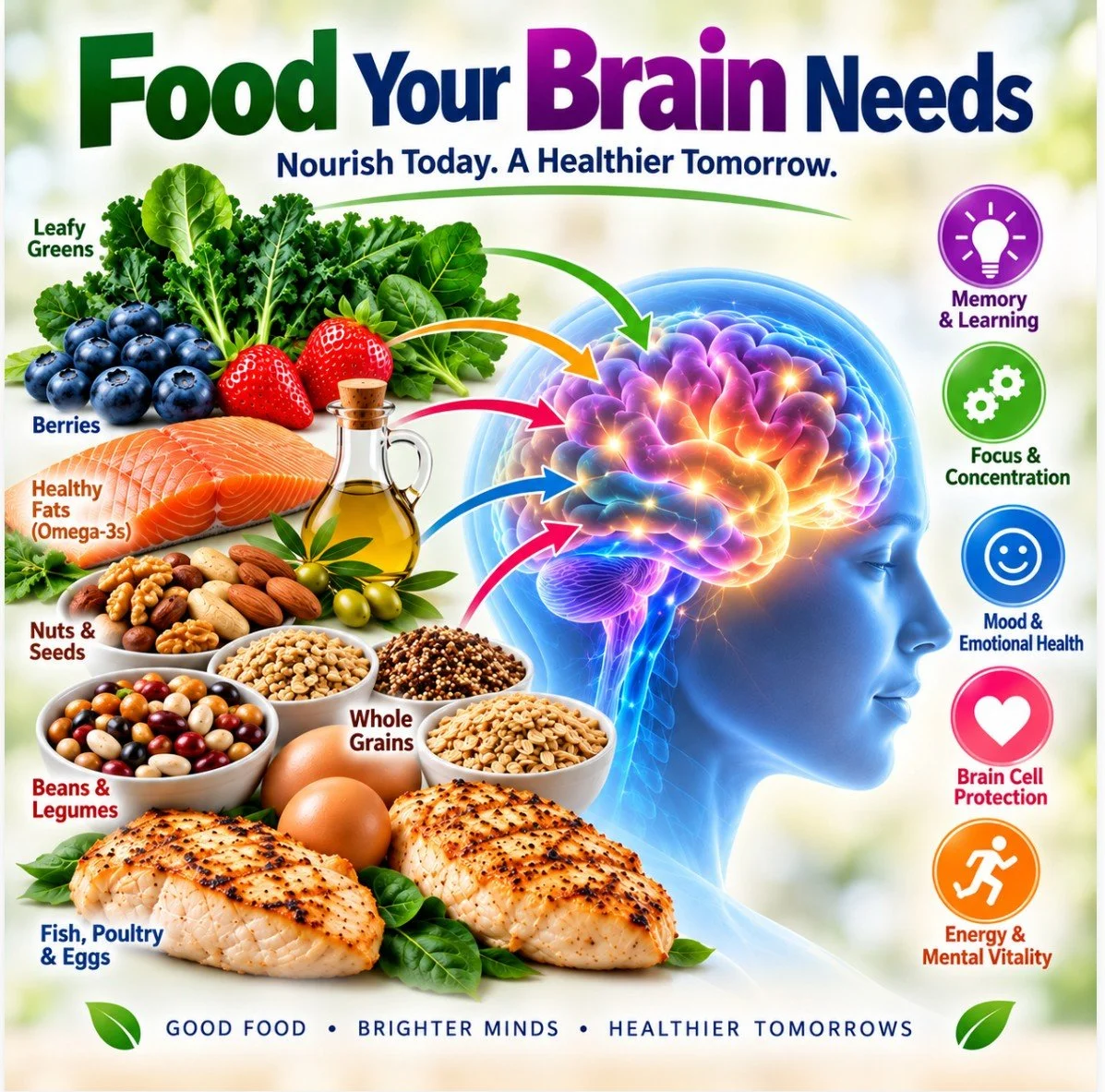
The Food-Brain Connection: What Your Brain Does with What You Eat
Your brain doesn't just need calories, it needs the right nutrients. Discover how food becomes brain fuel, supports neurotransmitters and protects brain cells, then learn how the MIND Diet puts these principles into practice.
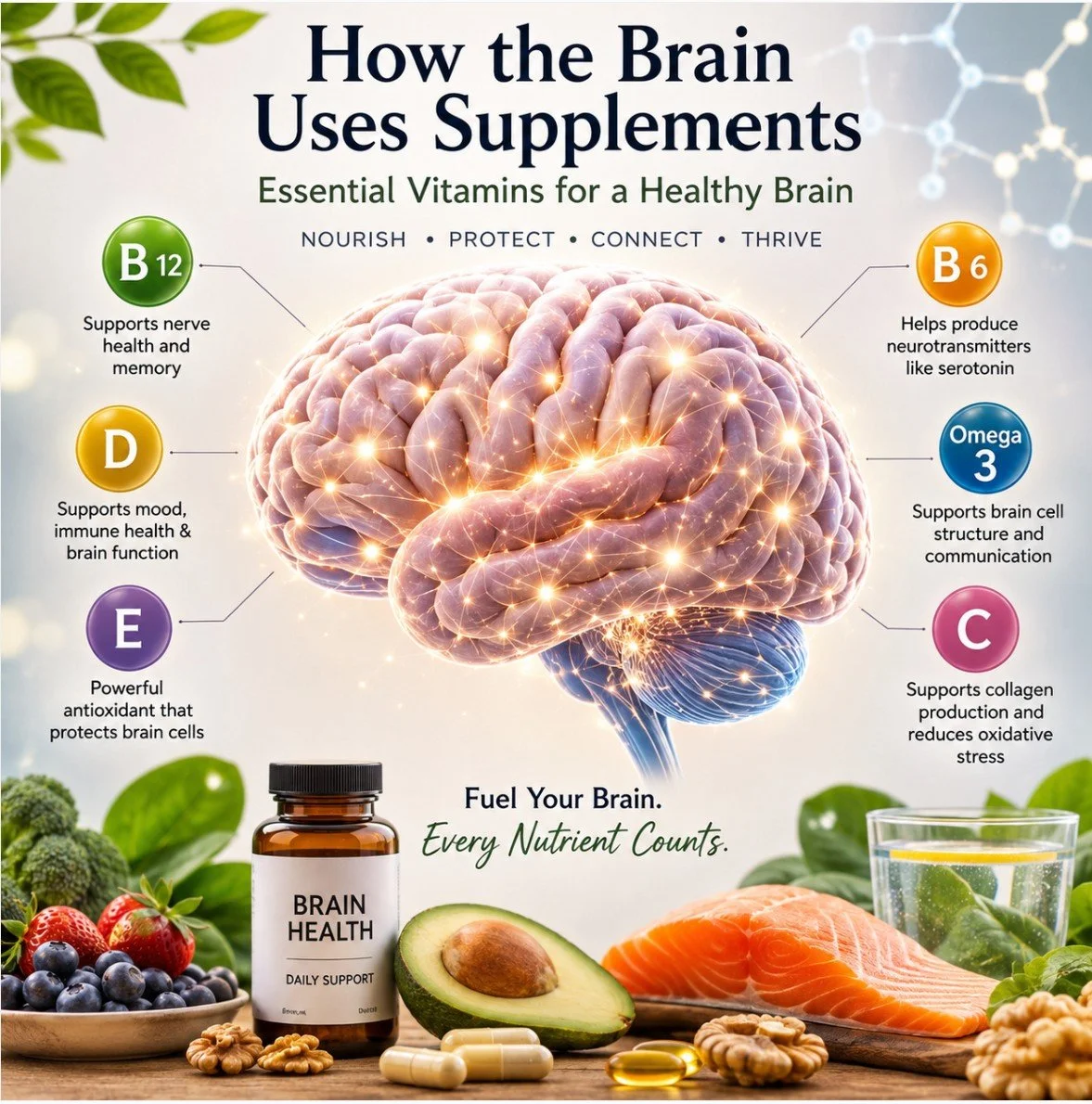
What Does Your Brain Really Need from Supplements?
Your brain depends on a steady supply of essential nutrients to produce energy, communicate between cells, and maintain healthy brain function. But how does your brain actually use the vitamins and other nutrients you give it—and do you really need supplements? Understanding the science can help you make informed choices about your diet and determine whether a supplement may be useful for filling a nutritional gap.

Why Your Mind Goes to the Worst Case After an Alzheimer's Diagnosis
An Alzheimer's diagnosis can trigger overwhelming fear and endless worst-case scenarios. I know because I lived through it. Looking back, I wish I had spent less time worrying and more time planning for the future. In this article, I share how my perspective changed, why catastrophic thinking is so common, and a helpful video by psychiatrist Dr. Tracey Marks that explains how to interrupt negative thought patterns. If you're newly diagnosed, this message offers hope and practical encouragement.
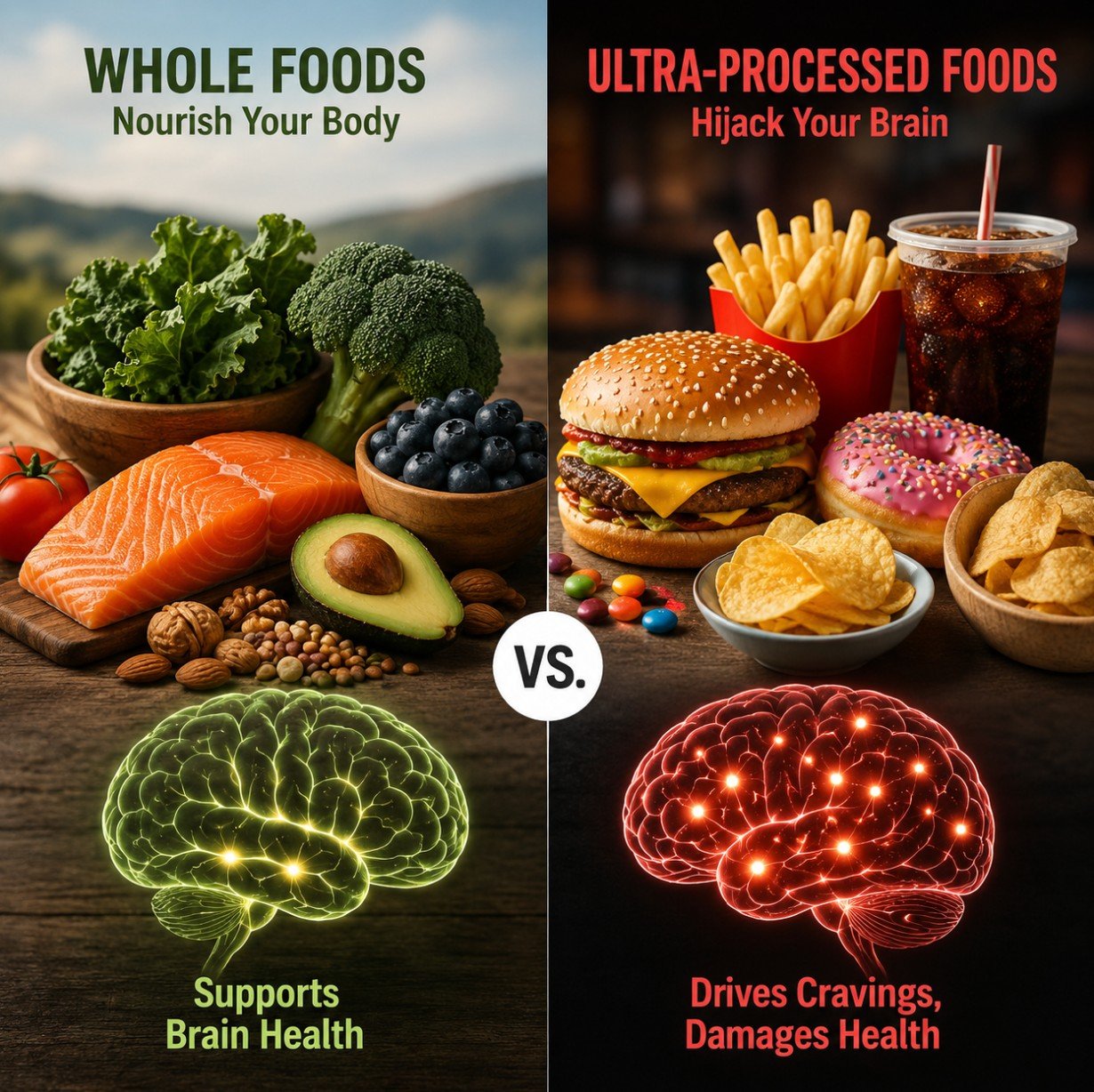
How Ultra-Processed Foods Changed the Way Humans Eat and Think
Why is it so difficult to give up the foods we know are unhealthy? The answer may have less to do with willpower than with the way our food supply has changed over the past century. In this article, discover how ultra-processed foods evolved from a convenience into products designed to appeal to our biology, why our brains crave them, and how understanding this hidden transformation can help us make healthier choices for both our bodies and our brains.
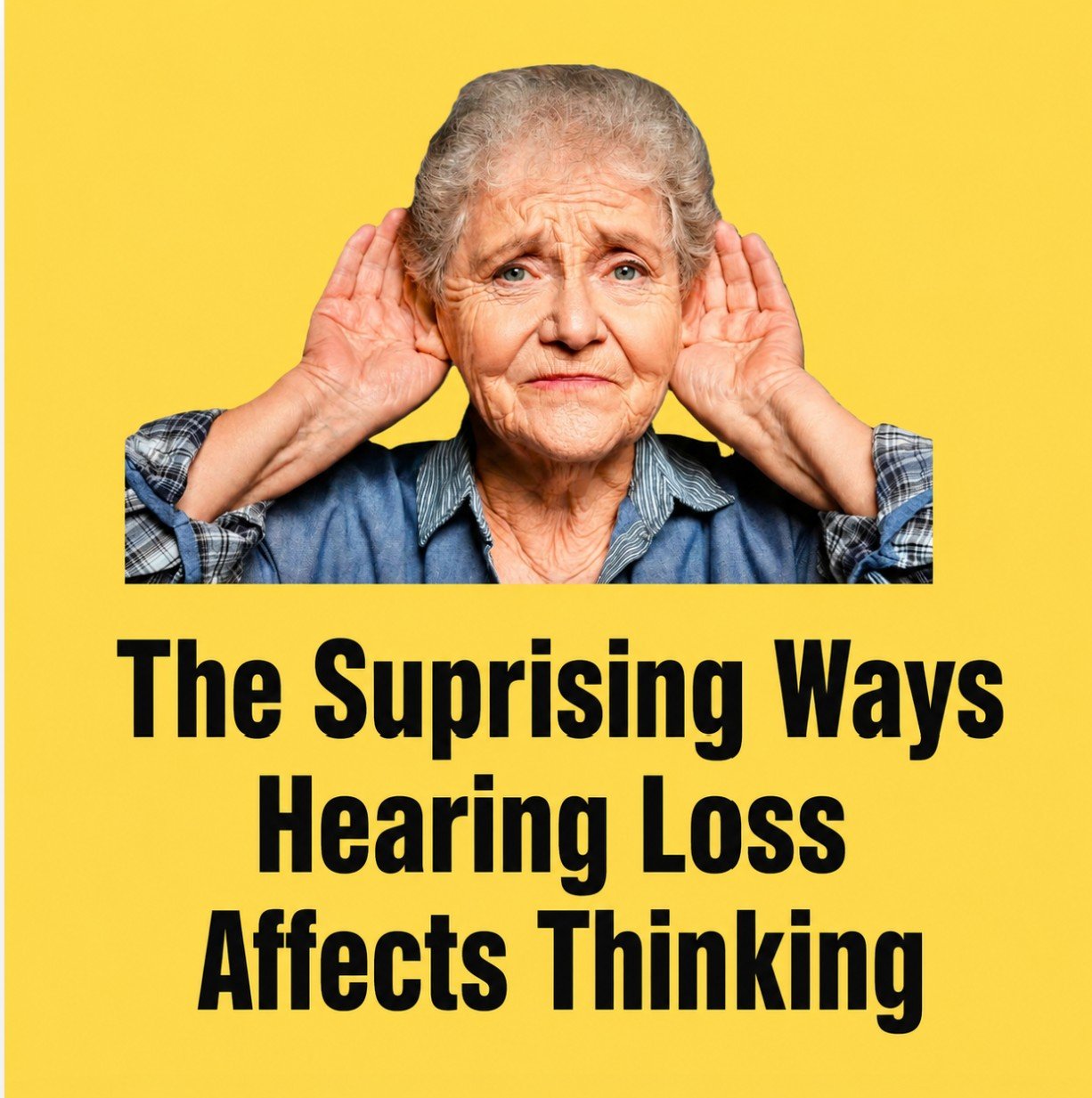
Hearing Loss and Alzheimer’s: What Every Senior Need to Know
Many people think hearing loss only affects their ears, but the greatest damage may occur in the brain. Discover how untreated hearing loss increases cognitive load, drains cognitive reserve, raises dementia risk, and why properly fitted hearing aids can help your brain stay healthier, sharper, and more resilient.