
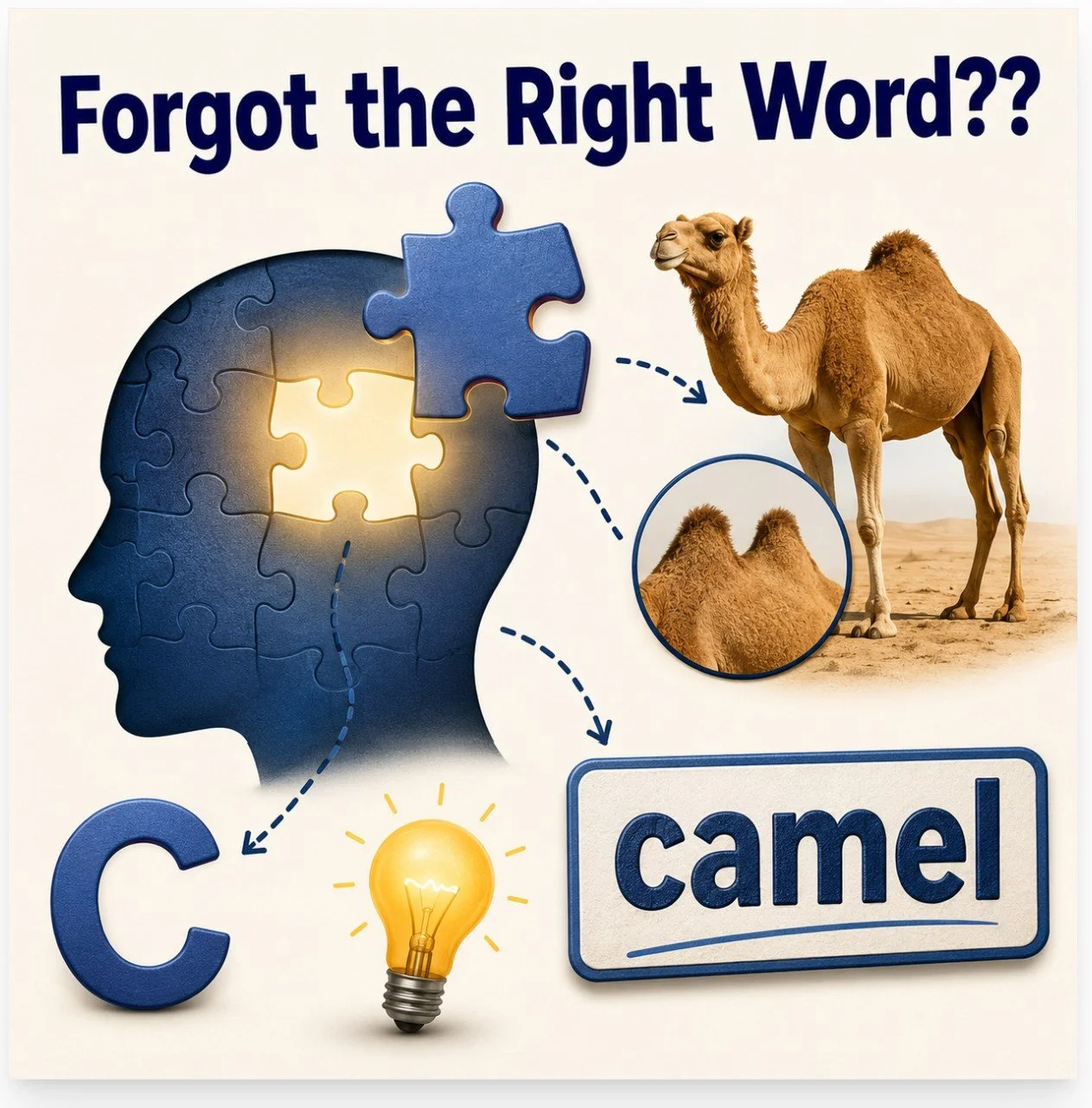
Why People with Alzheimer's Forget the Right Word (and How to Find It Again)
Do you have to pause or just describe a word you can't quickly recall? For people living with Alzheimer's disease, word-finding problems are among the earliest and most frustrating symptoms. The encouraging news is that the word is often not gone. The brain may simply have difficulty finding the pathway to retrieve it. In this article, I explain the neuroscience behind word retrieval, why Alzheimer's disrupts these language networks, and how practical strategies based on neuroplasticity can help strengthen communication and restore confidence.
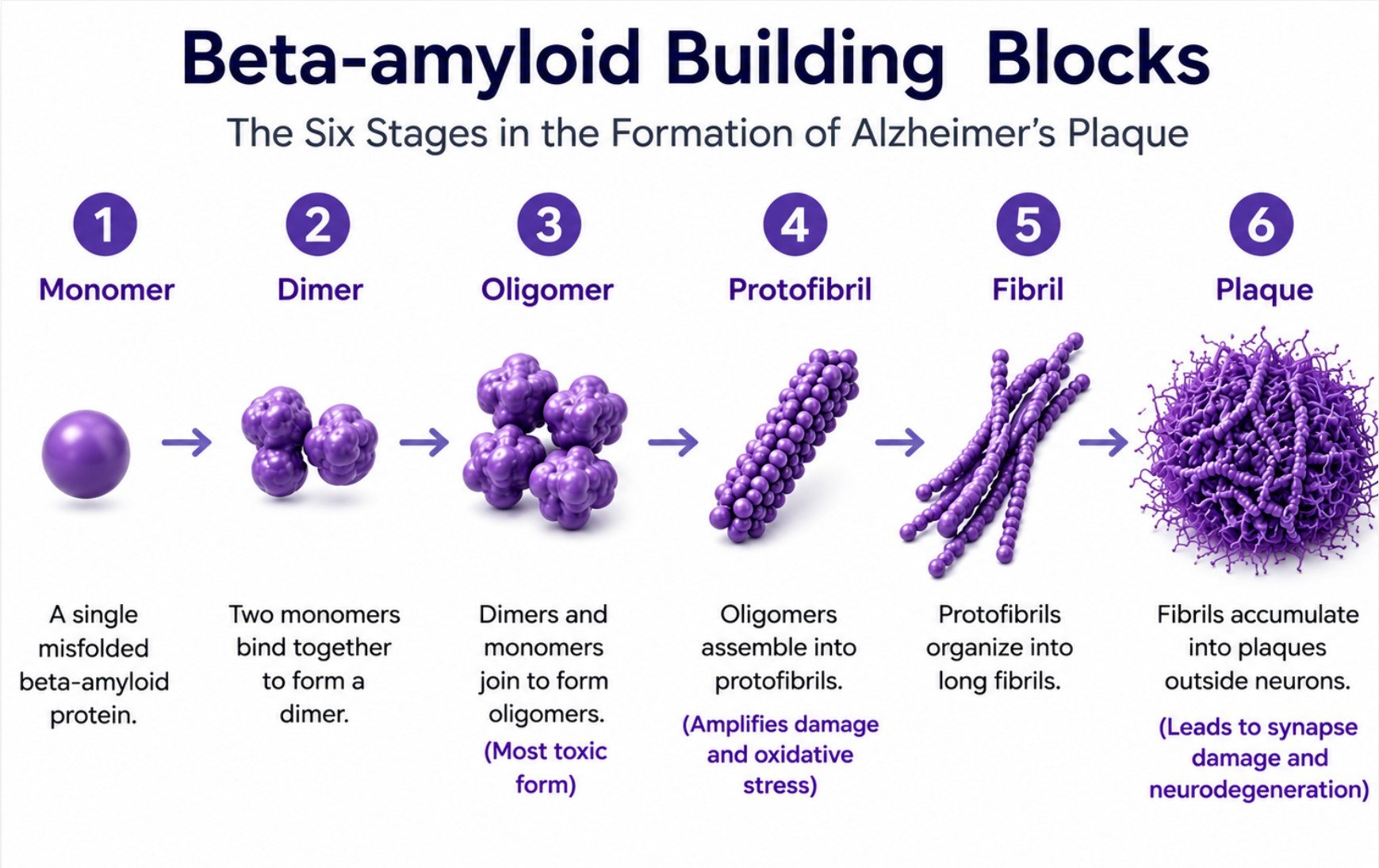
How Leqembi’s Multi-Target Strategy Fights Alzheimer’s
For decades, Alzheimer's treatments could do little more than ease symptoms while the disease continued its relentless attack on the brain. Leqembi represents a different approach. Rather than simply treating the consequences of Alzheimer's, it targets the disease itself by attaching to harmful beta-amyloid proteins at multiple stages of their development—from the smallest, most toxic clusters to fully formed plaques. By interrupting this destructive process early and continuing to remove existing amyloid, Leqembi gives the brain a better opportunity to protect neurons, preserve memory, and maintain the connections that define who we are. Understanding why this matters begins with understanding how Alzheimer's damages the brain.