
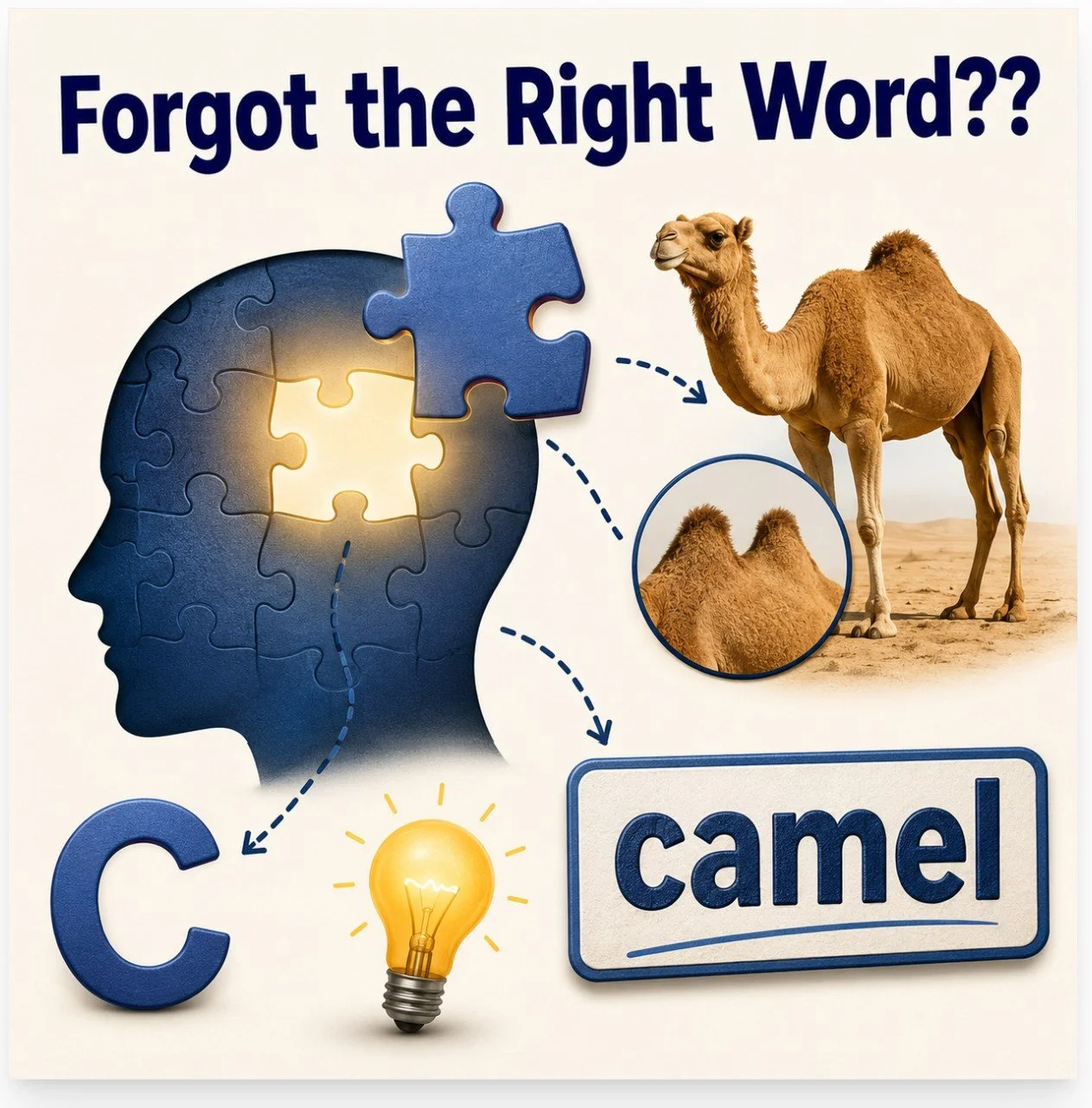
Why People with Alzheimer's Forget the Right Word (and How to Find It Again)
Do you have to pause or just describe a word you can't quickly recall? For people living with Alzheimer's disease, word-finding problems are among the earliest and most frustrating symptoms. The encouraging news is that the word is often not gone. The brain may simply have difficulty finding the pathway to retrieve it. In this article, I explain the neuroscience behind word retrieval, why Alzheimer's disrupts these language networks, and how practical strategies based on neuroplasticity can help strengthen communication and restore confidence.

Hearing Loss and Alzheimer’s: What Every Senior Need to Know
Many people think hearing loss only affects their ears, but the greatest damage may occur in the brain. Discover how untreated hearing loss increases cognitive load, drains cognitive reserve, raises dementia risk, and why properly fitted hearing aids can help your brain stay healthier, sharper, and more resilient.

The Hidden Memory System That Can Help Fight Alzheimer's
Once we’ve started Leqembi or Kisunla we are anxious to see improvement in our AD symptoms and many of us do see improvement. That improvement is not because memory has been restored, it is because with mild cognitive impairment our brains can still relearn and to some extent starts doing that when we shift our thoughts to fixing what we have lost. We can and should begin and continue to repair ADs damage to prolong our independence as long as possible. I’ve written an article that I think may help you understand the power than only you have to repair what has been lost.

Where Did My Short-Term Memory Go?
Discover why short-term and working memory problems persist after Leqembi treatment and learn practical, science-based strategies to improve daily function and independence with Alzheimer's.